SOMA Puzzle Cube
Problem
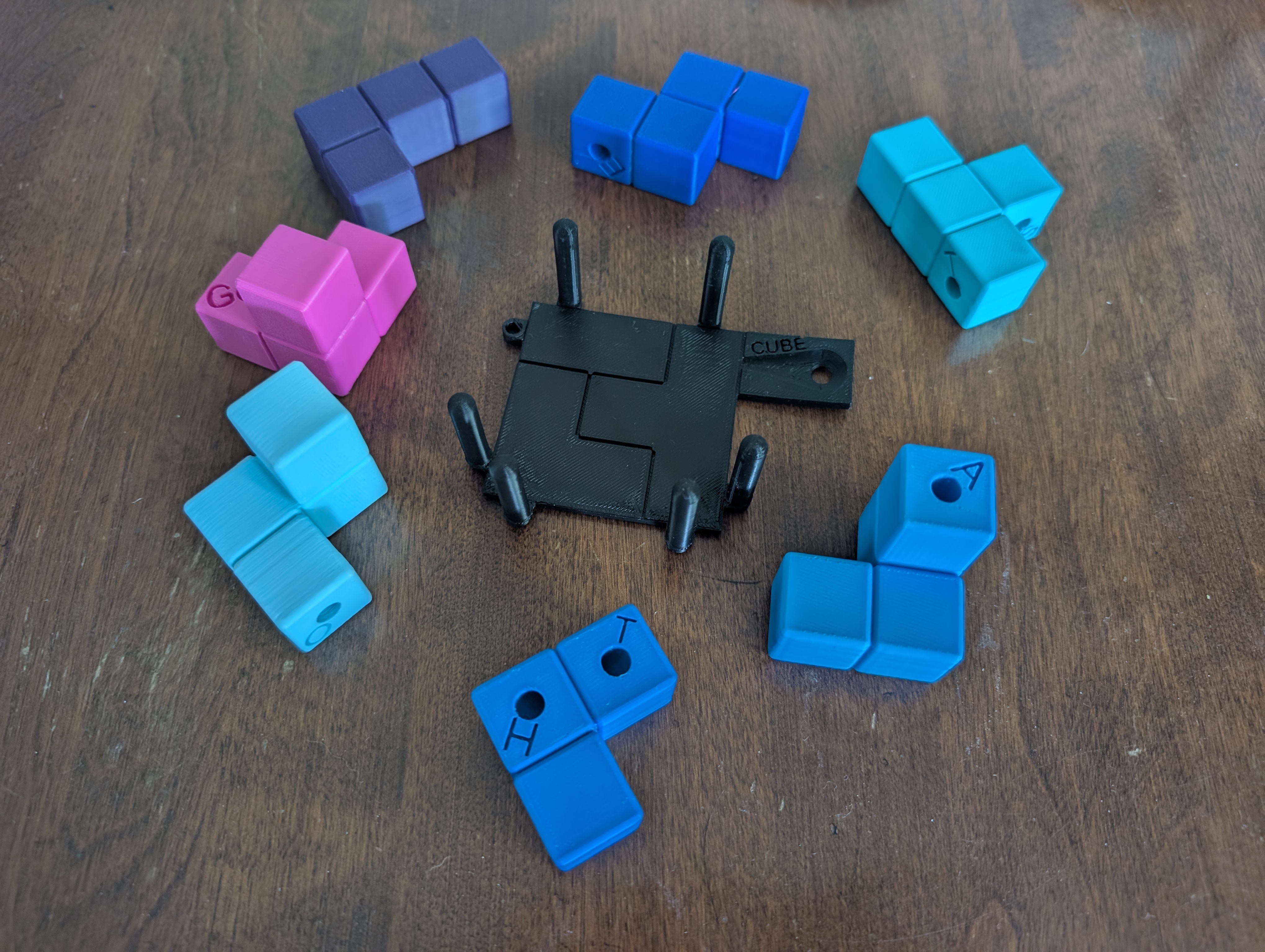
Gotham Immersive Labs asked me to adapt my Rune Cube puzzle for a corporate event. They asked for it to be smaller, and solve in 10-15 mins on average. Essentially, design and build a 3d puzzle where solvers will assemble pieces into a cube, where then a ball bearing can run through the entire assembly.Process
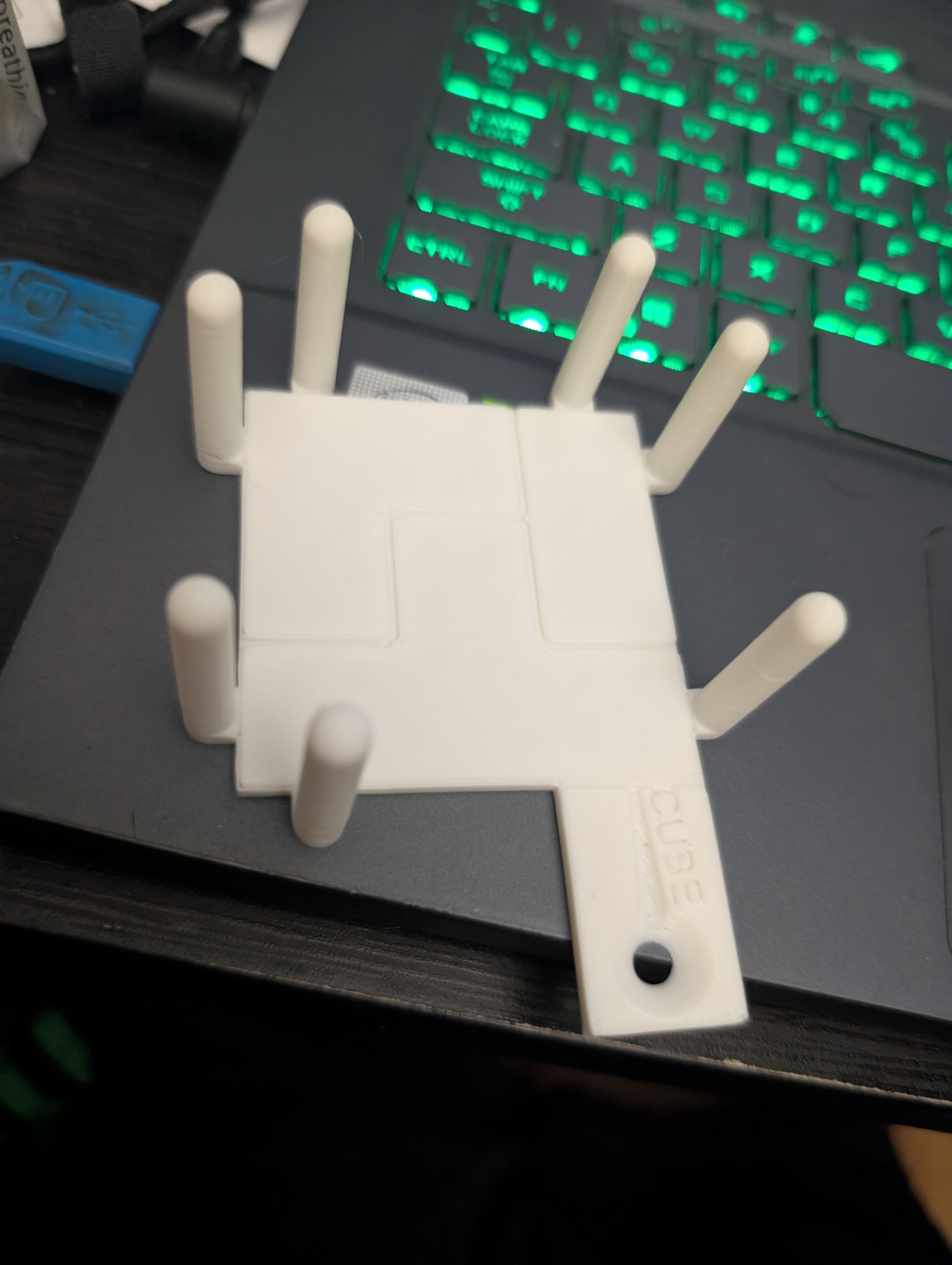
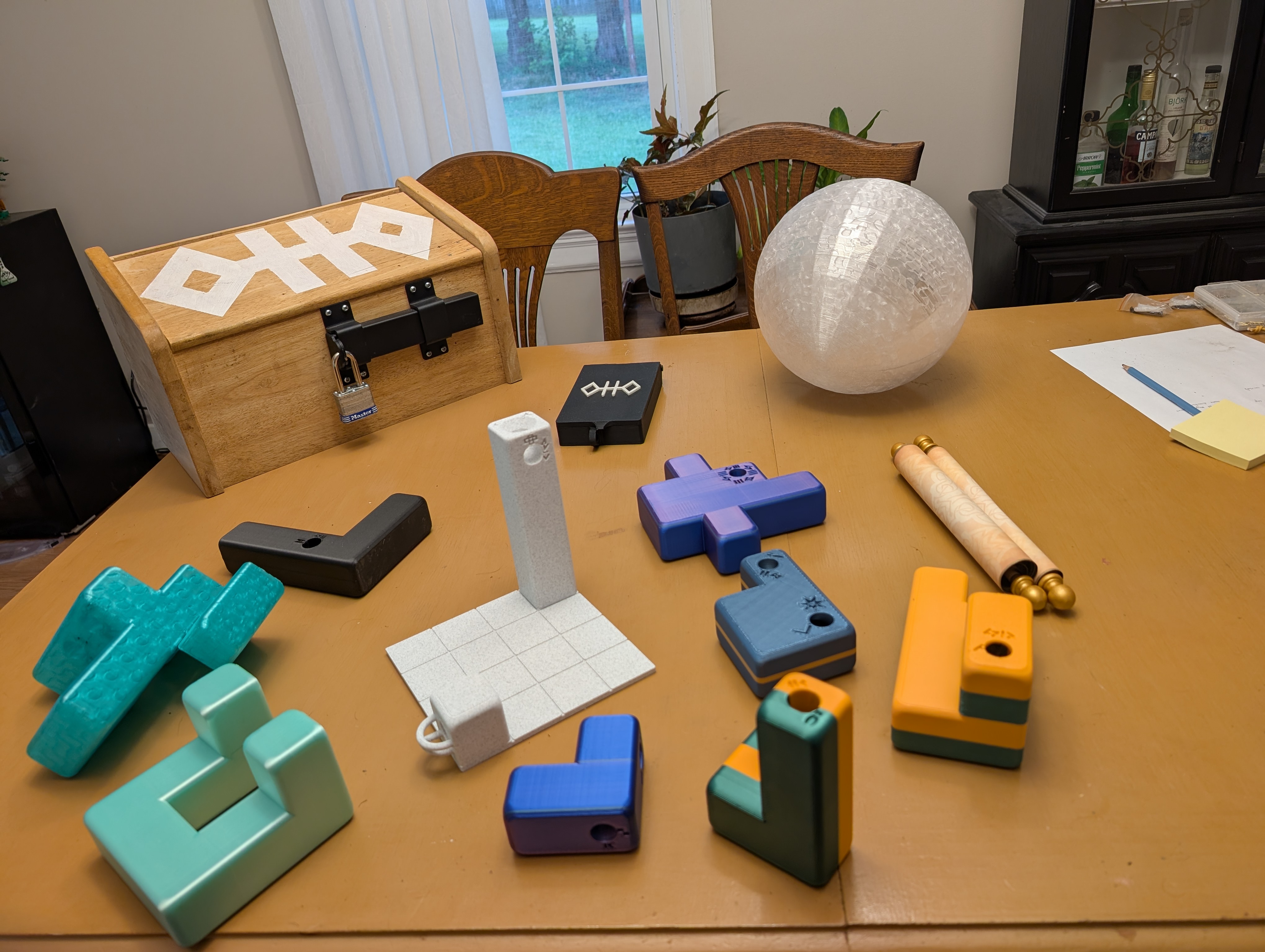
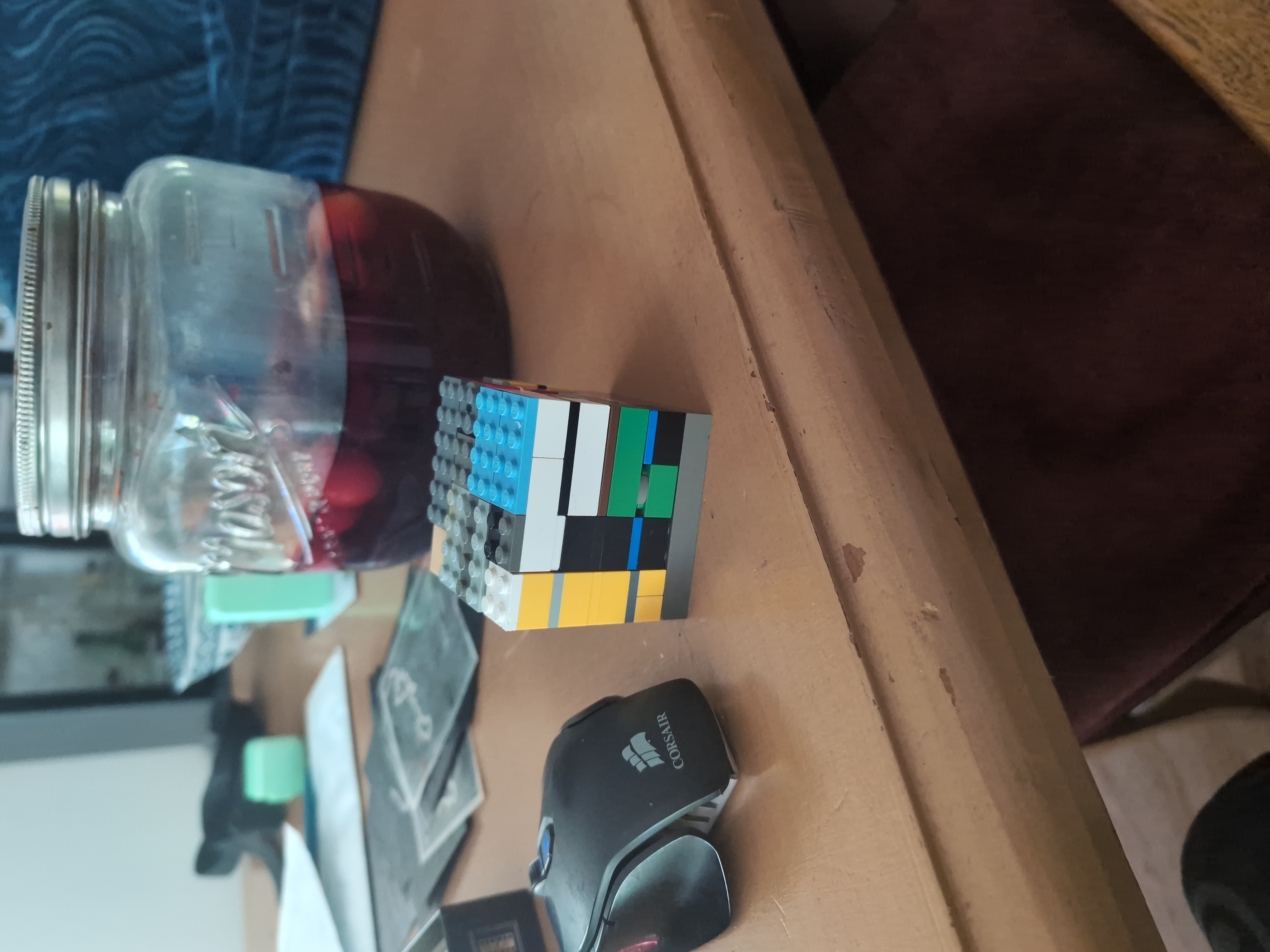
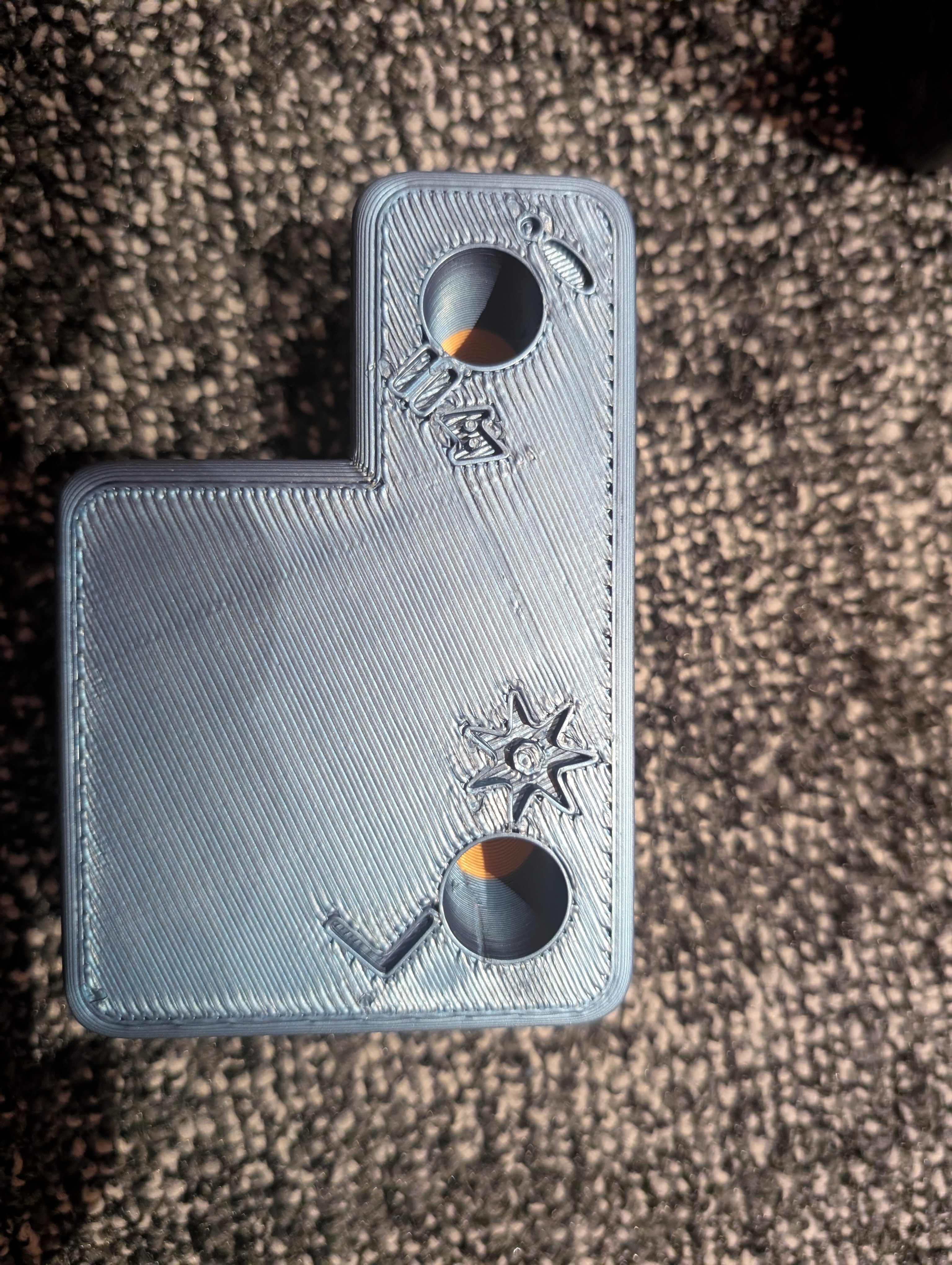
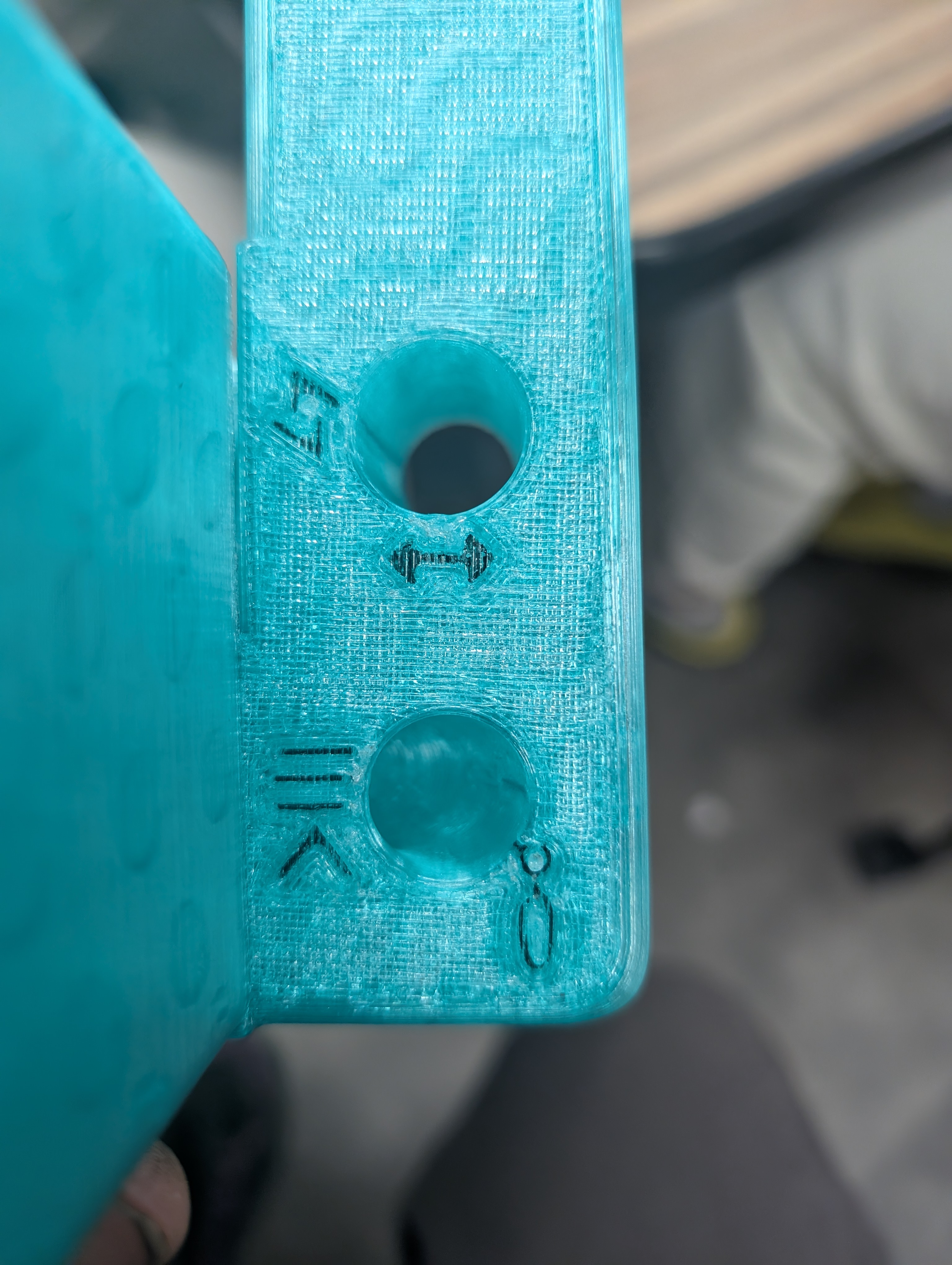
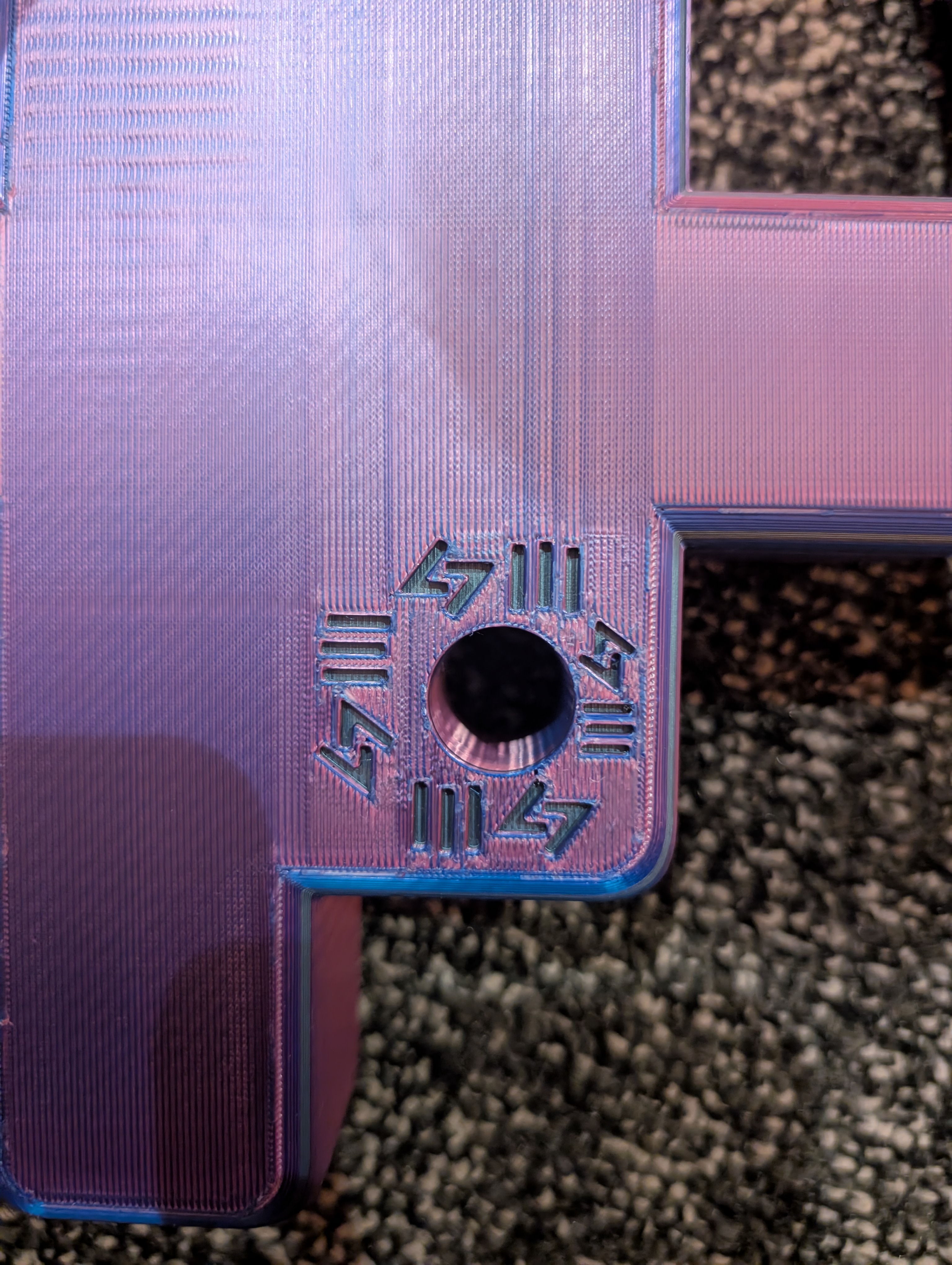
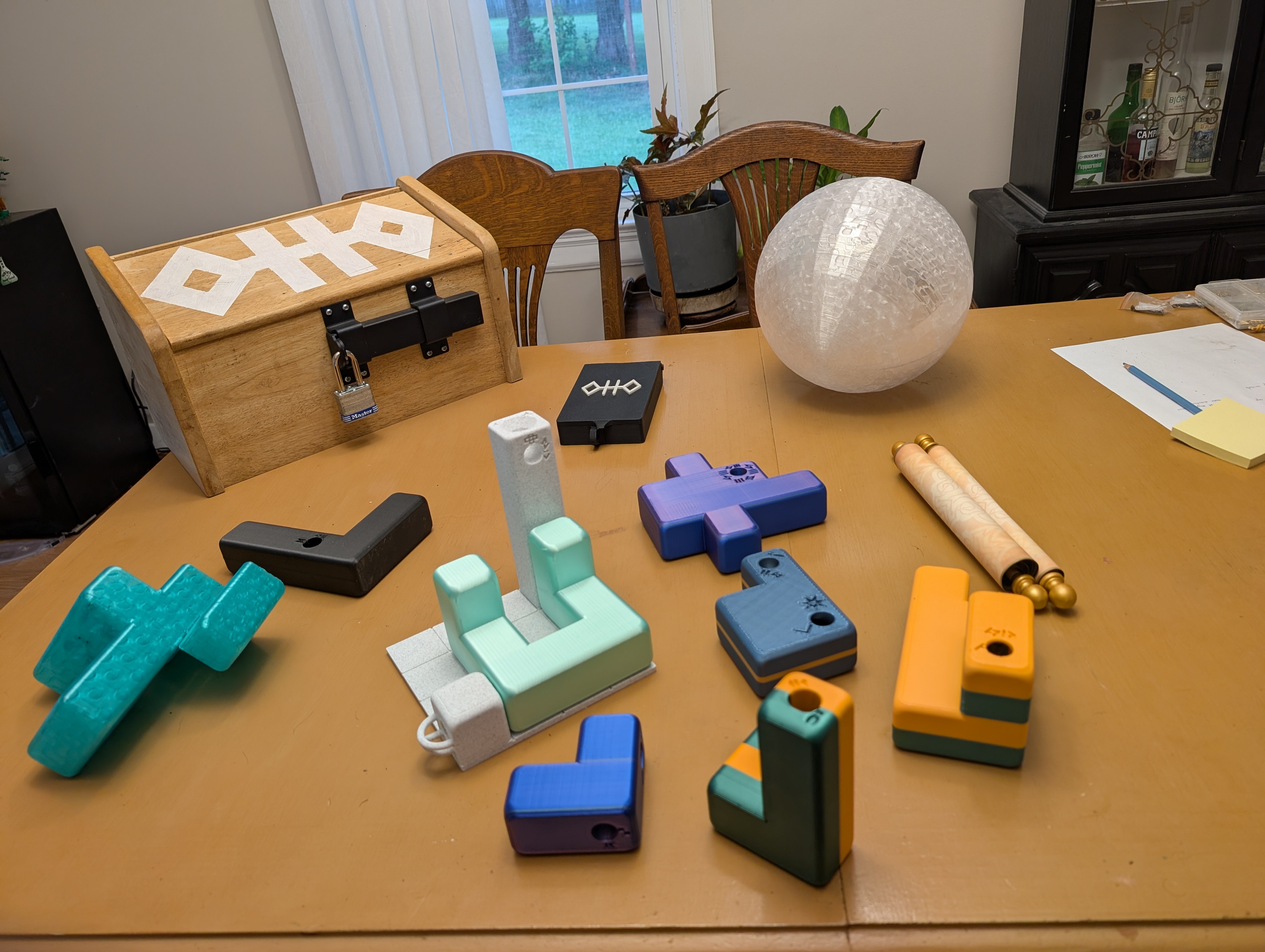
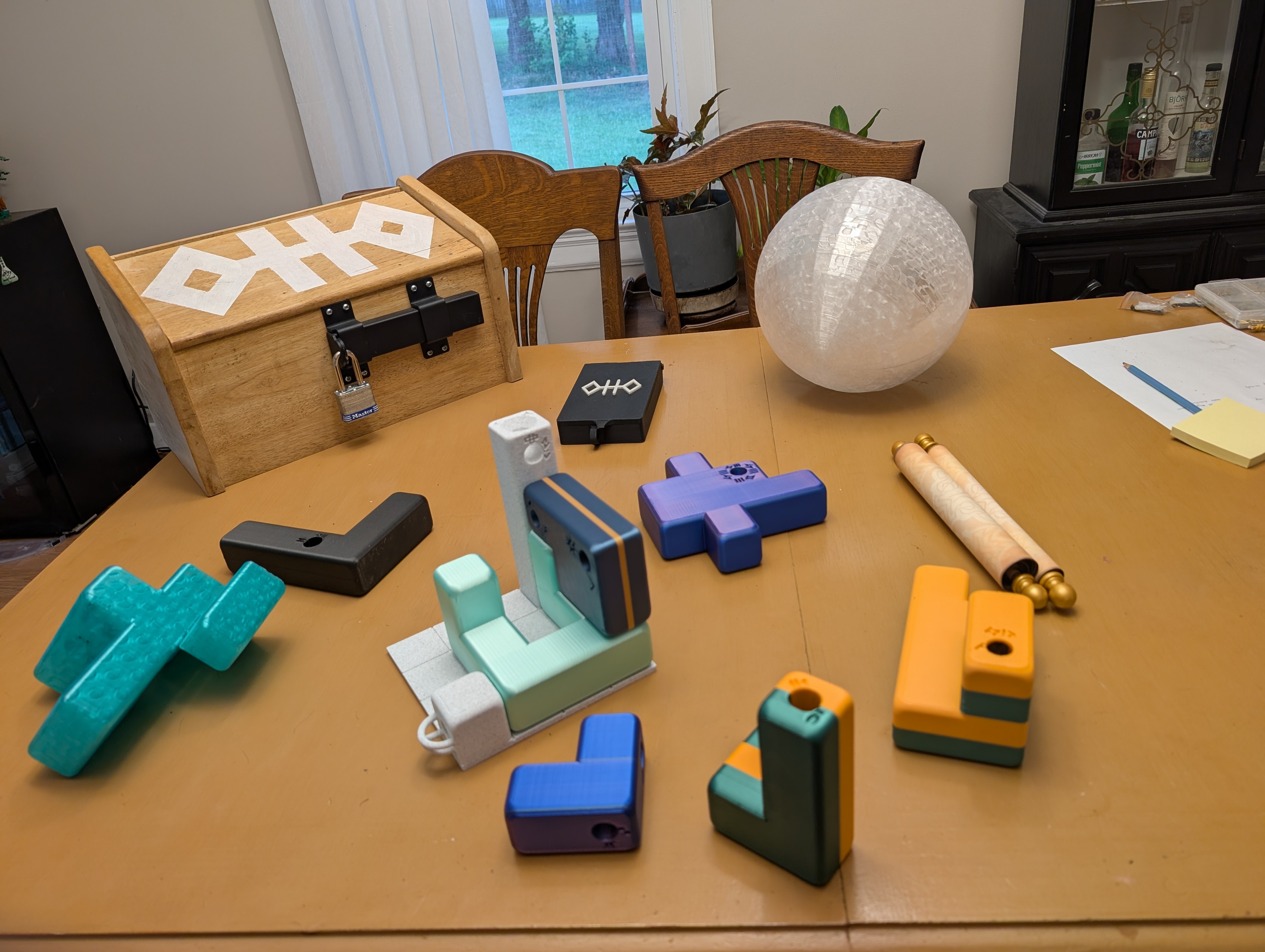
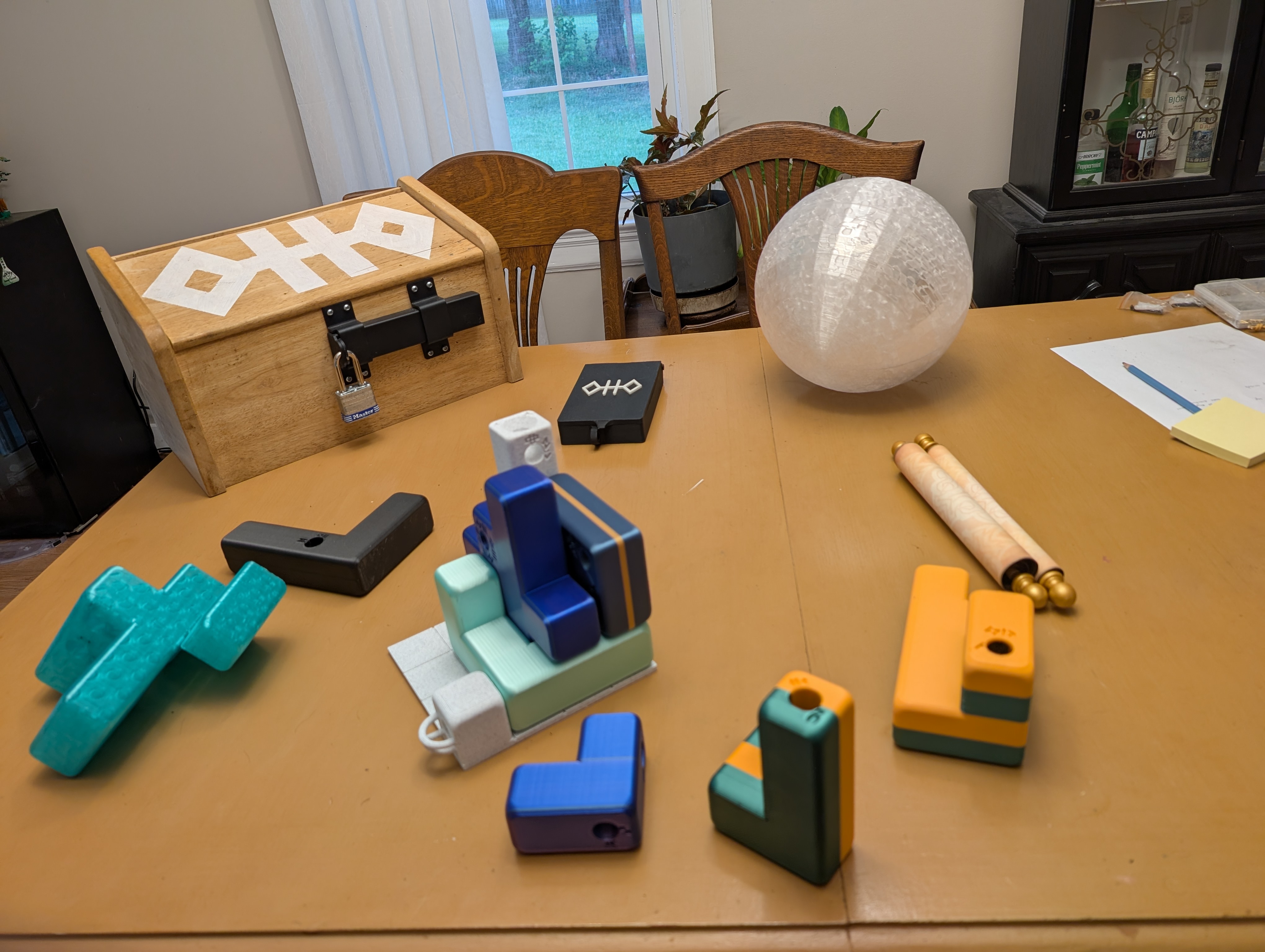
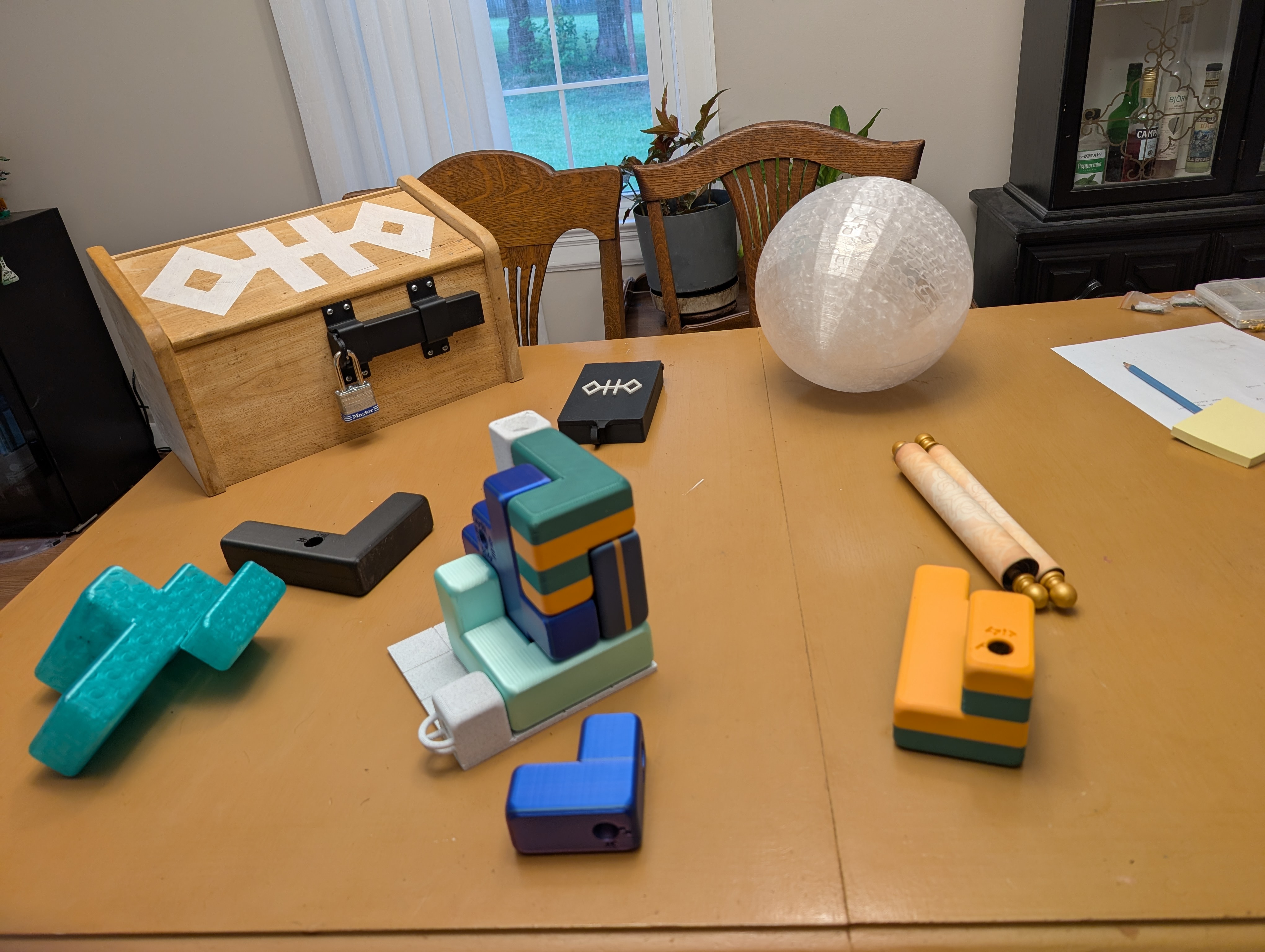
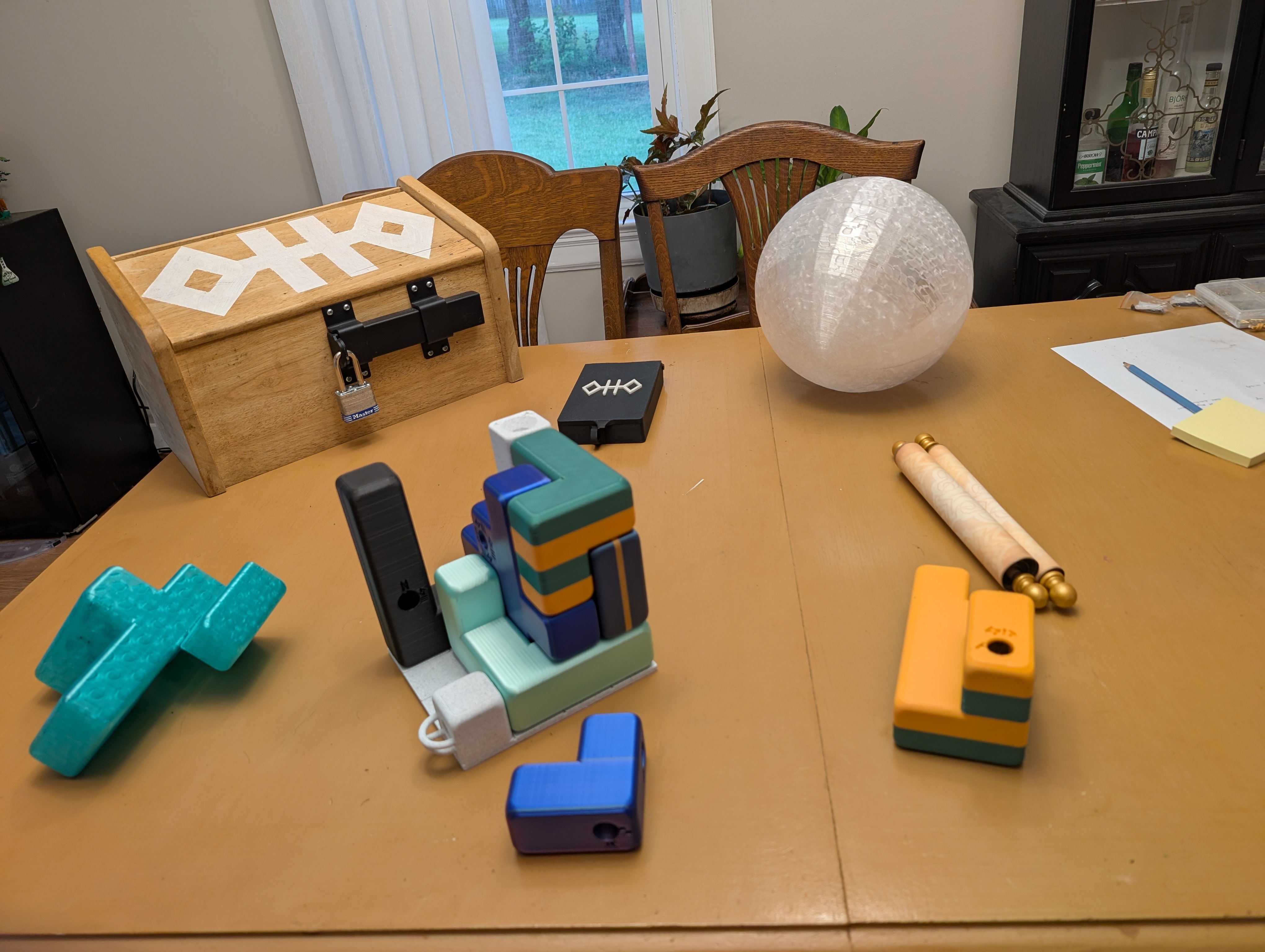
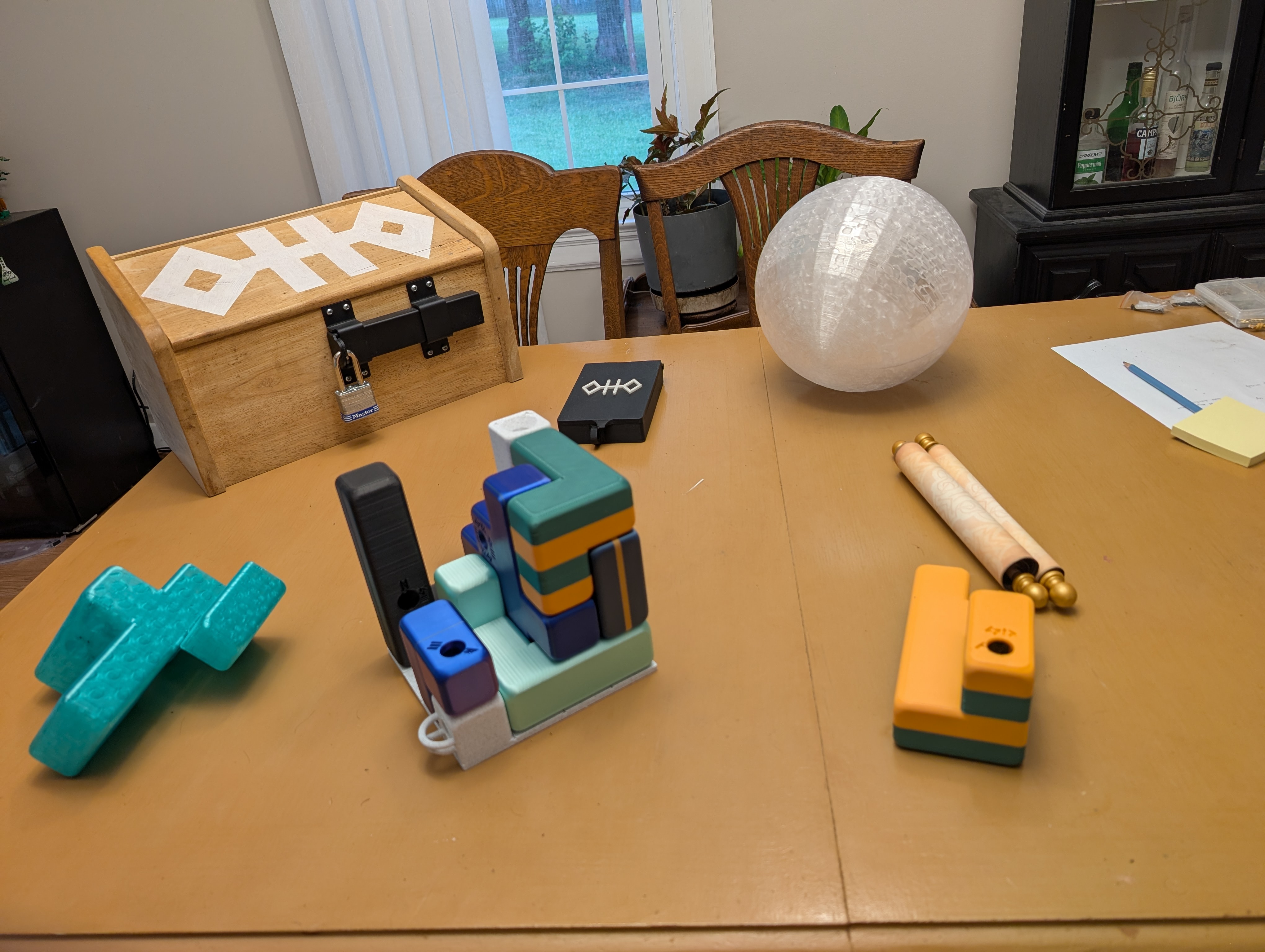
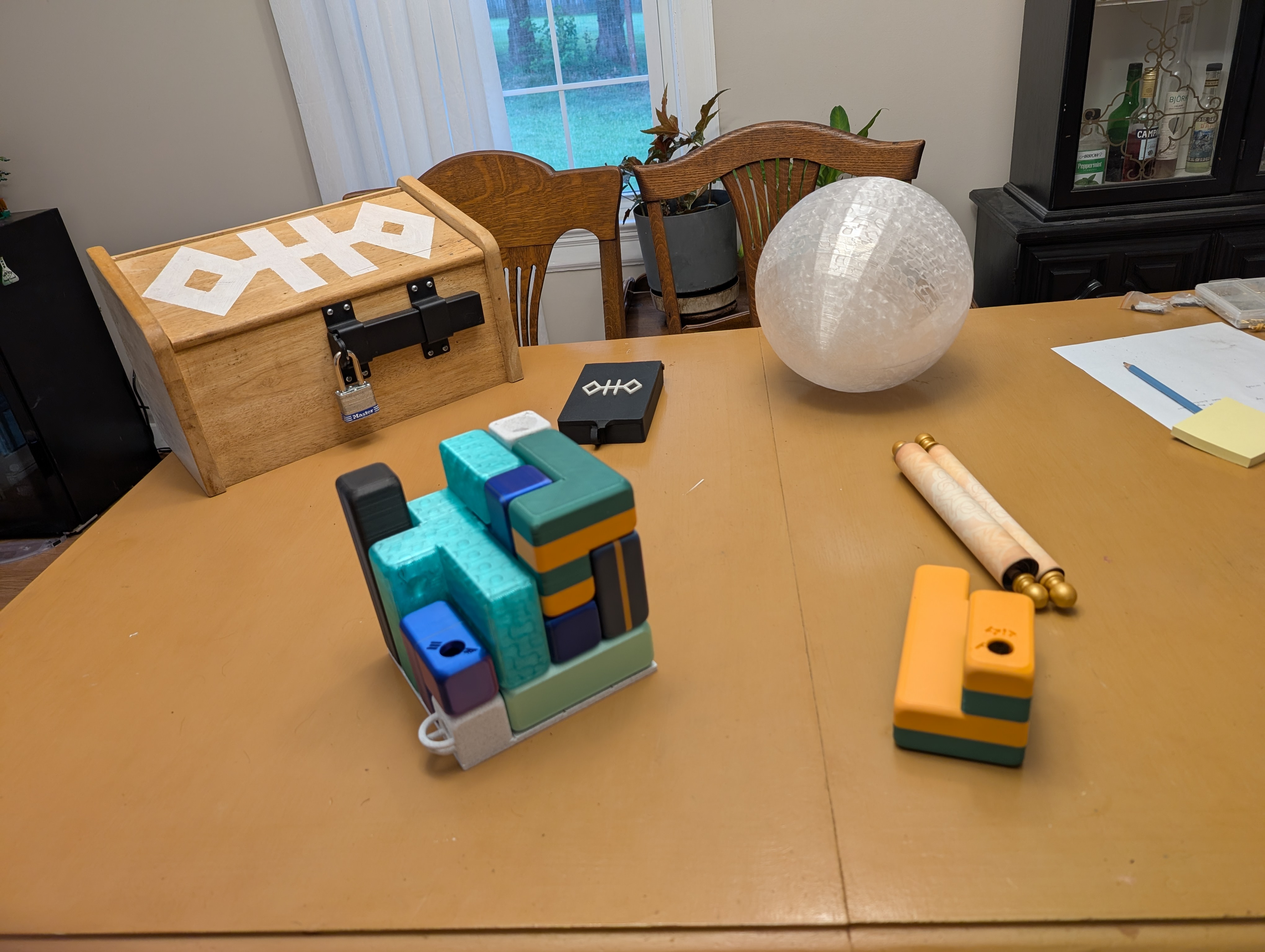
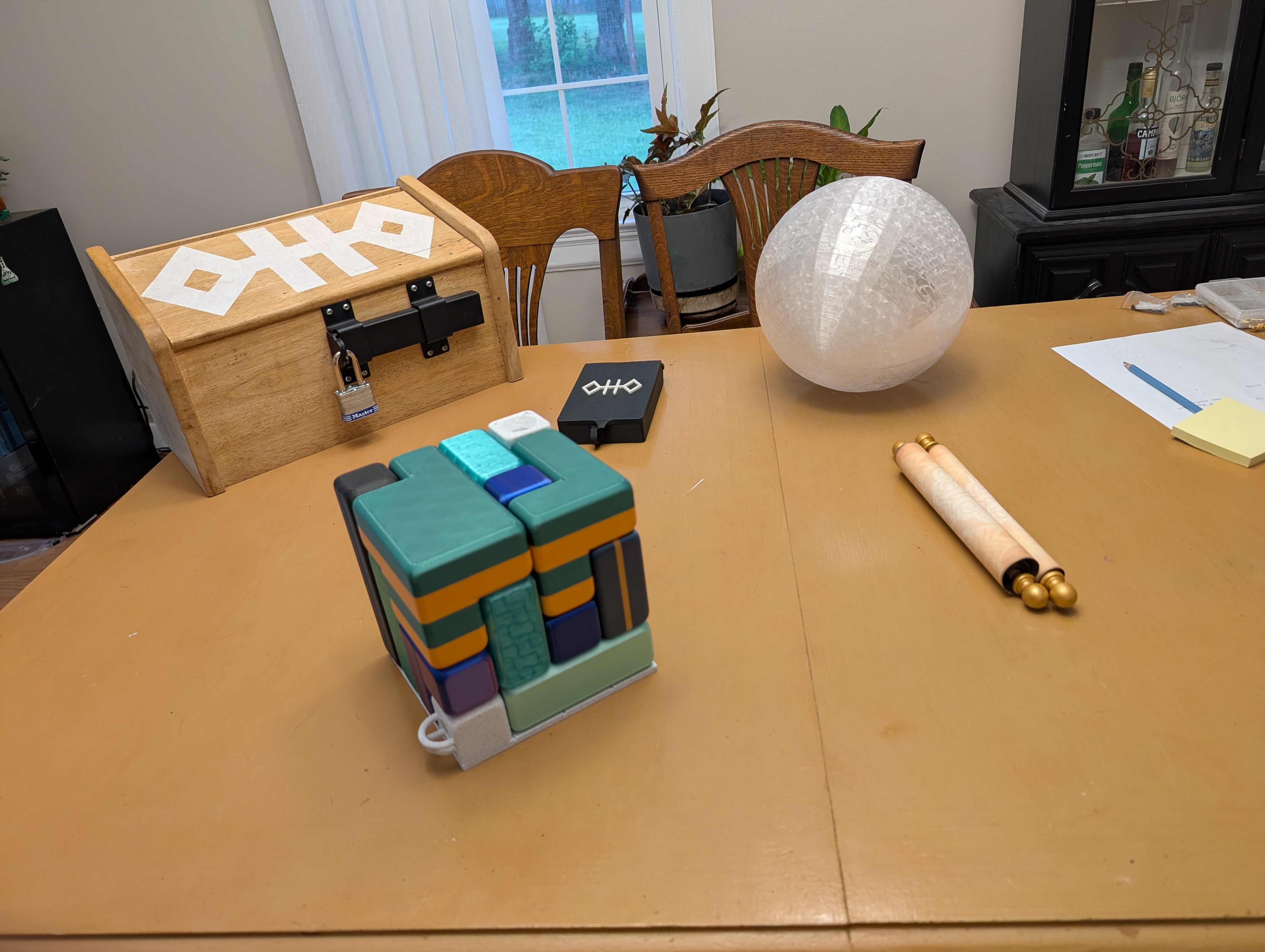
Well I watched a few teams take around an hour assembling the Rune Cube, so I knew I was going to have to dramatically change the design. Instead of redesigning pieces completely, I decided to play with the idea of a SOMA Cube. These suckers can be constructed in a grand total of two hundred and forty unique ways! Using some lessons I had learned making the Rune Cube, I quickly modeled the SOMA pieces and designed the circular path meandering through all seven of the pieces.Gotham came up with the symbols for me to put on the pieces. "FAMOUSEIGHTHST" with "CUBE" on the base clued the solvers in to the 'famous' 'cube' on 'eighth' 'st,' the Alamo! Letters were far easier to emboss into these cubes than the hand drawn shapes on the rune cube. After doing some testing and finding that people were still taking a while to assemble the cube, I embossed the bottom shapes of the pieces onto the base. This proved to get people to assemble the cube in perfect time! The base also helps give the players something to build on, and keeps the cube packed nicely together so the ball bearing doesn't get stuck.
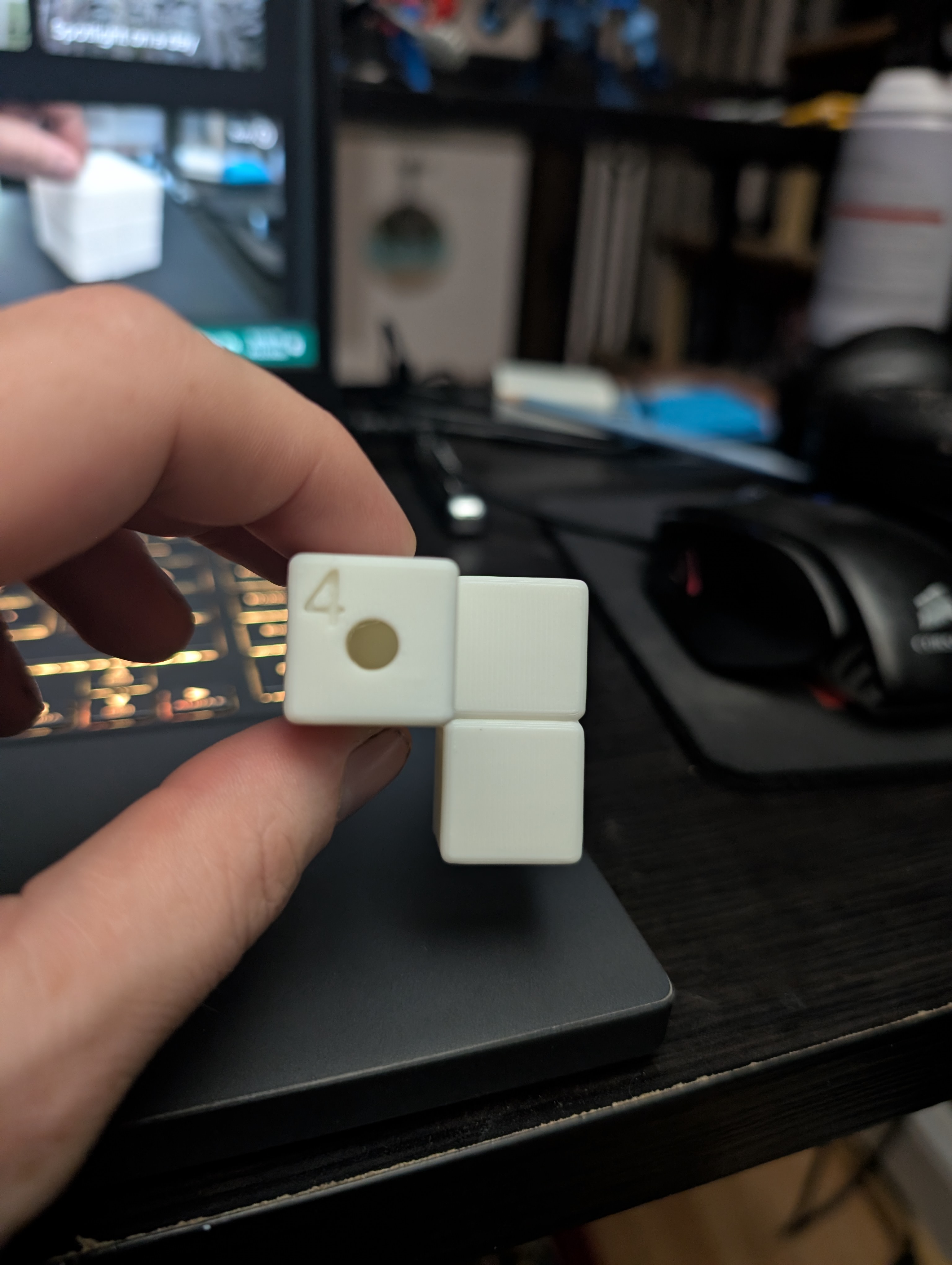
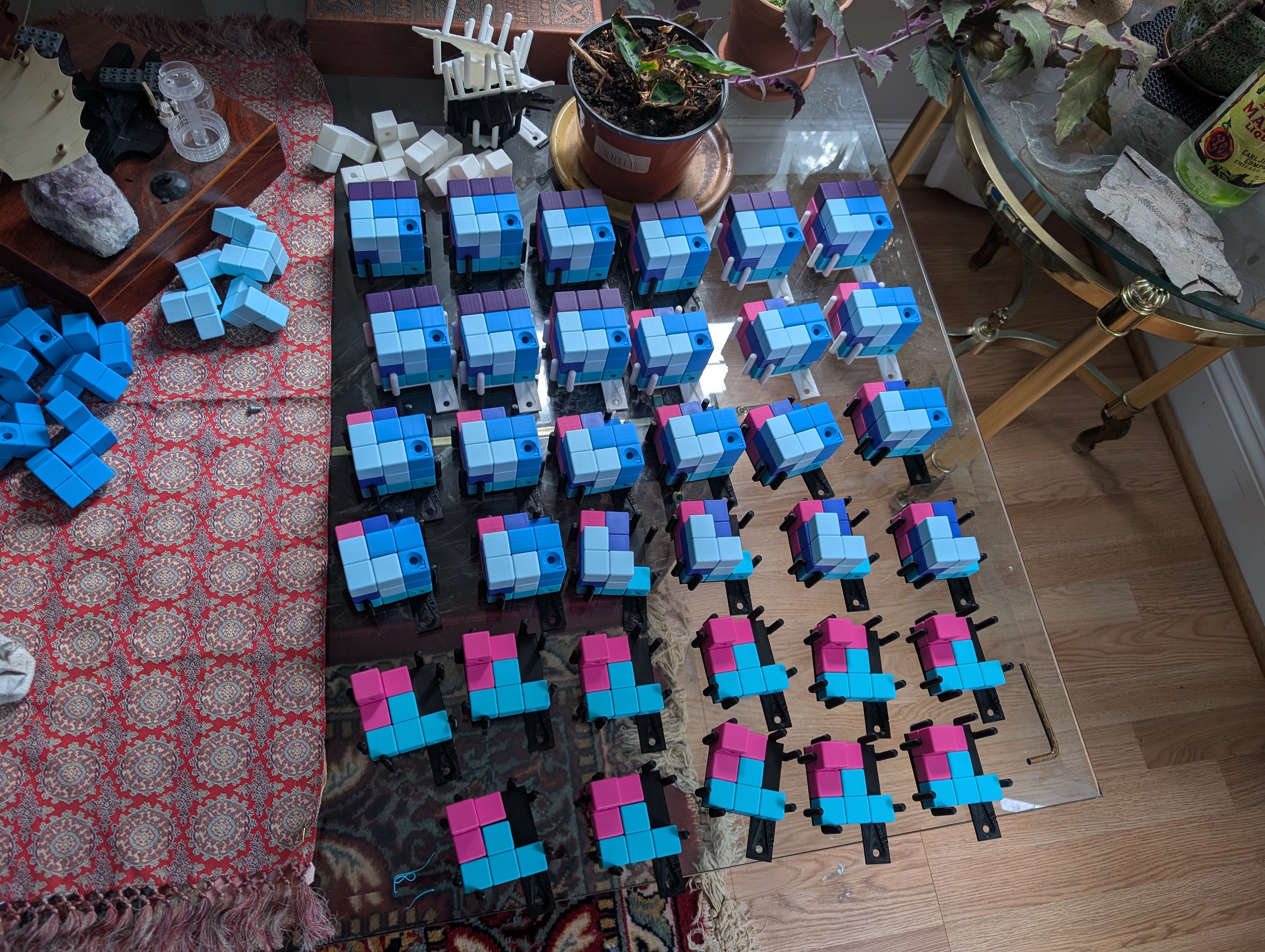
Due to a very tight turnaround for this event, I also provided printing services for this puzzle. My Bambu X1-C was running non-stop for two weeks to build 36 cubes!
I also generated an assembly video to add to their hint section, which should give you a great idea of how the puzzle works!
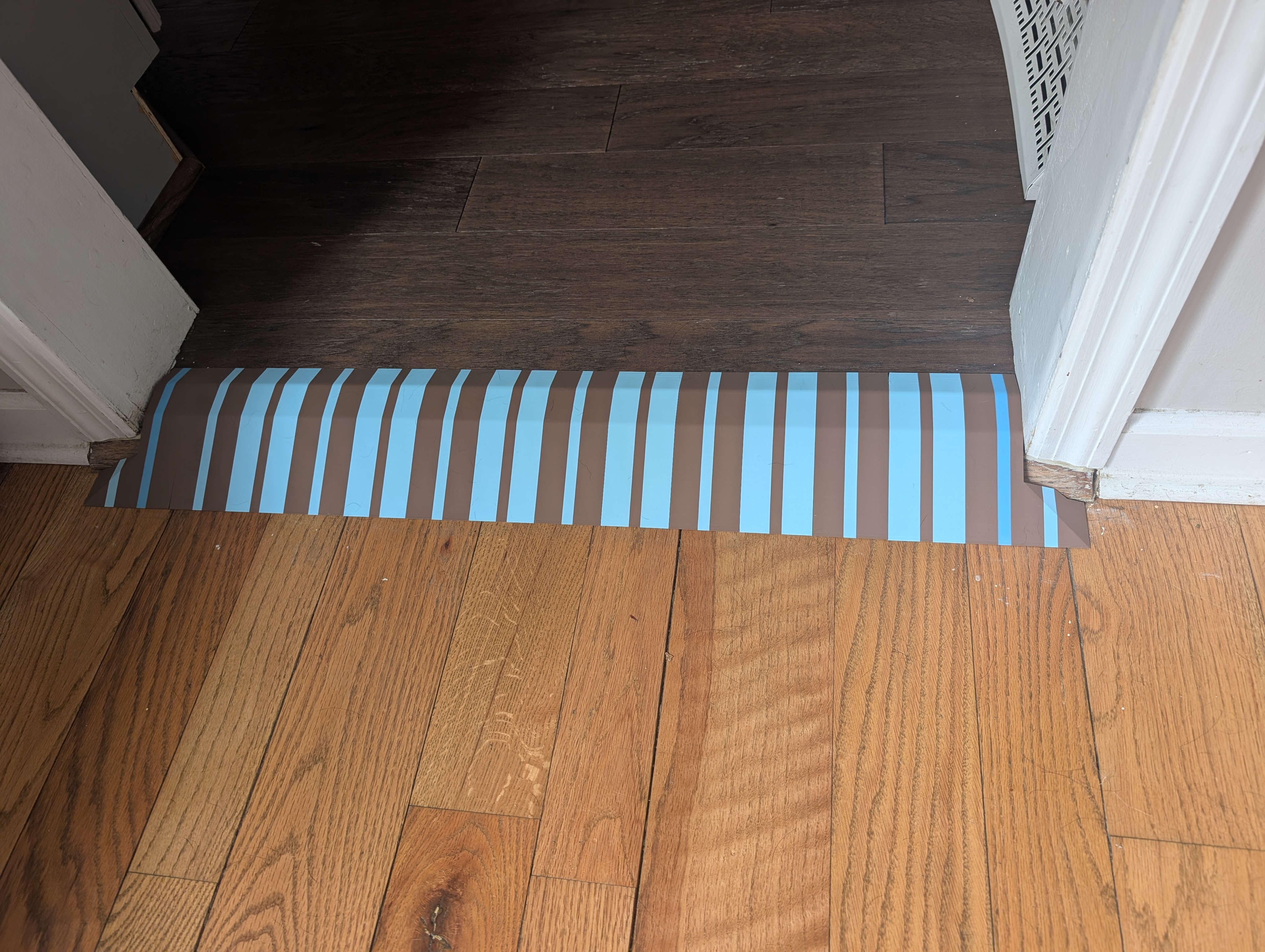
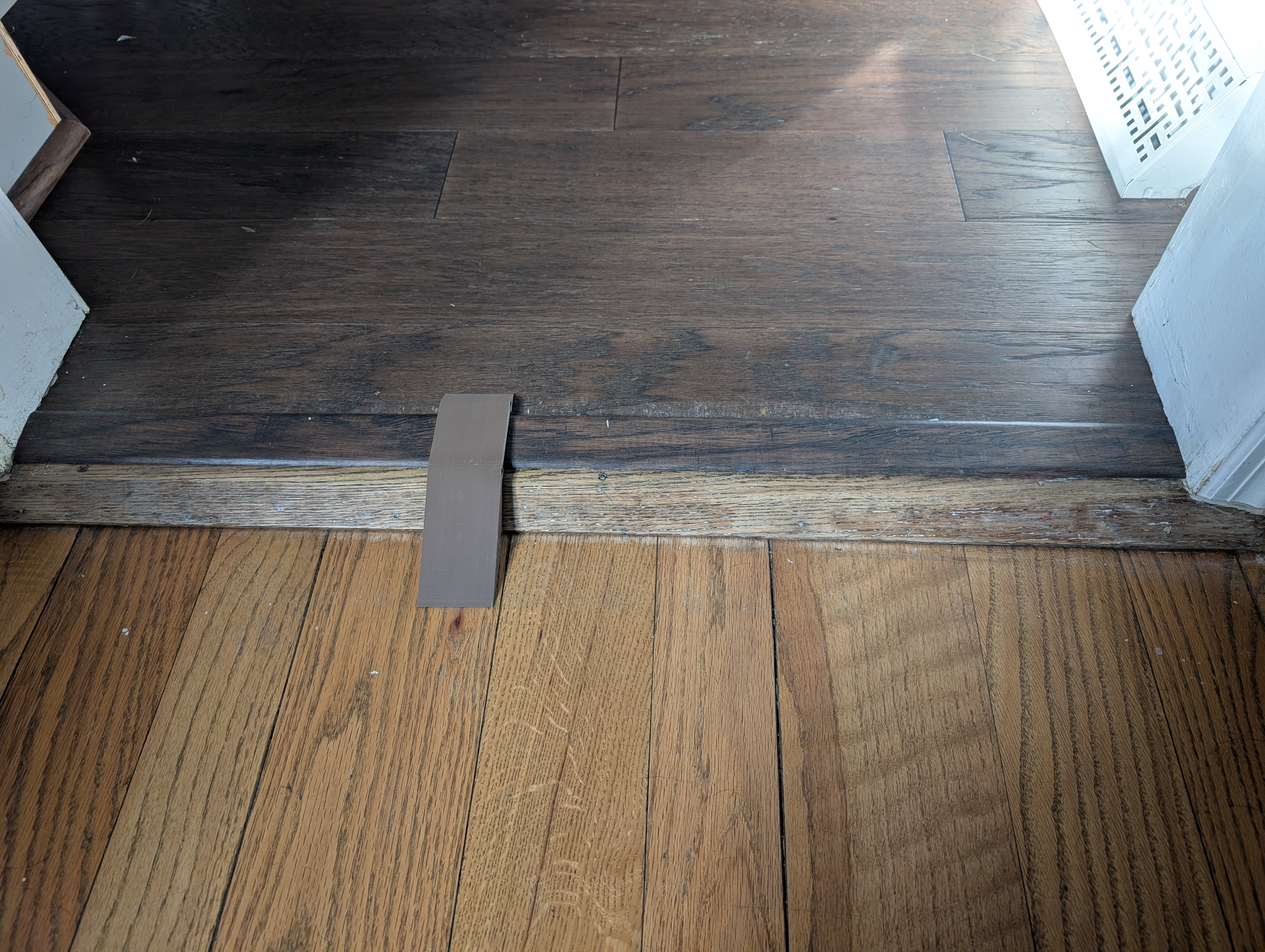
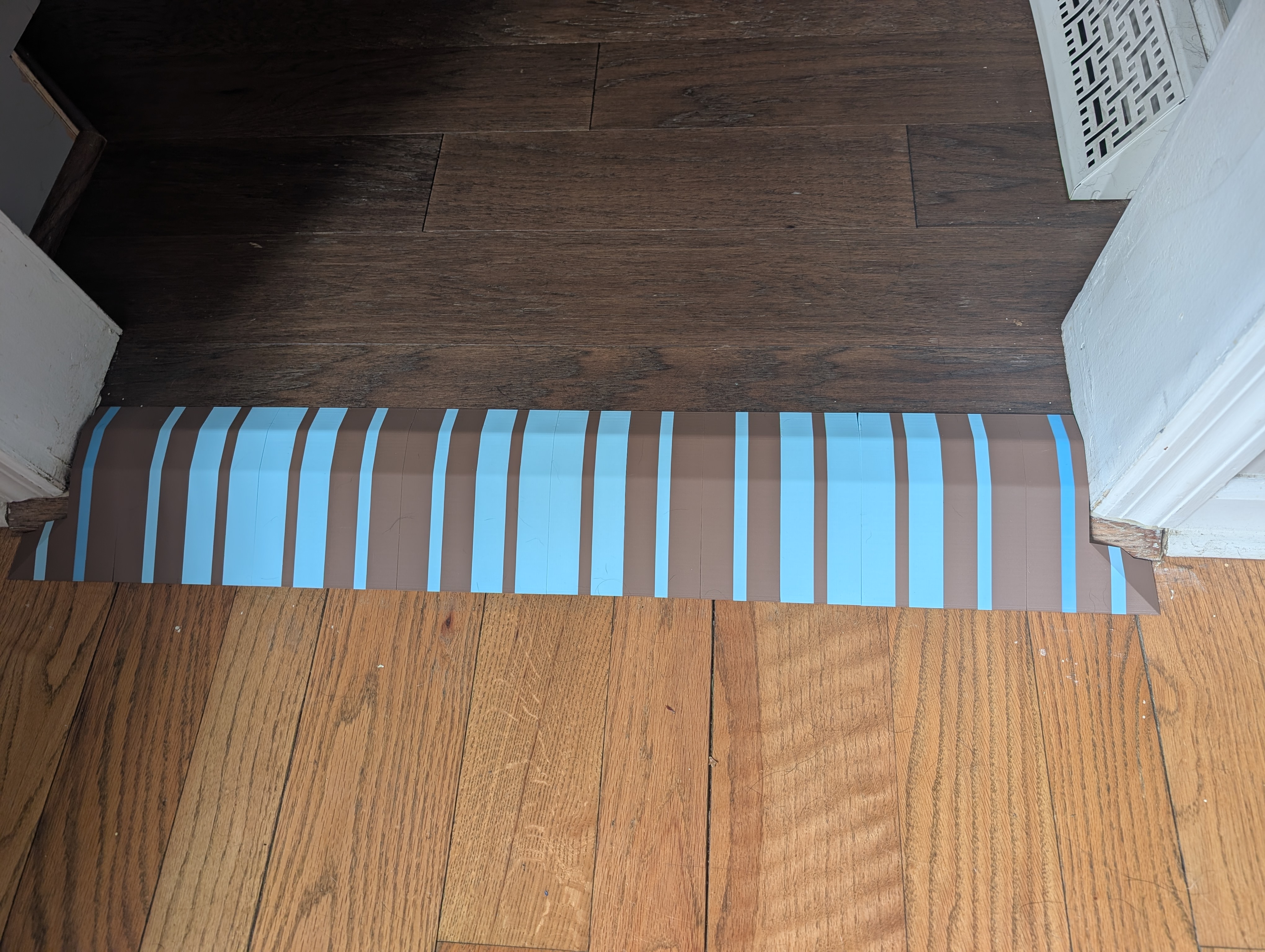
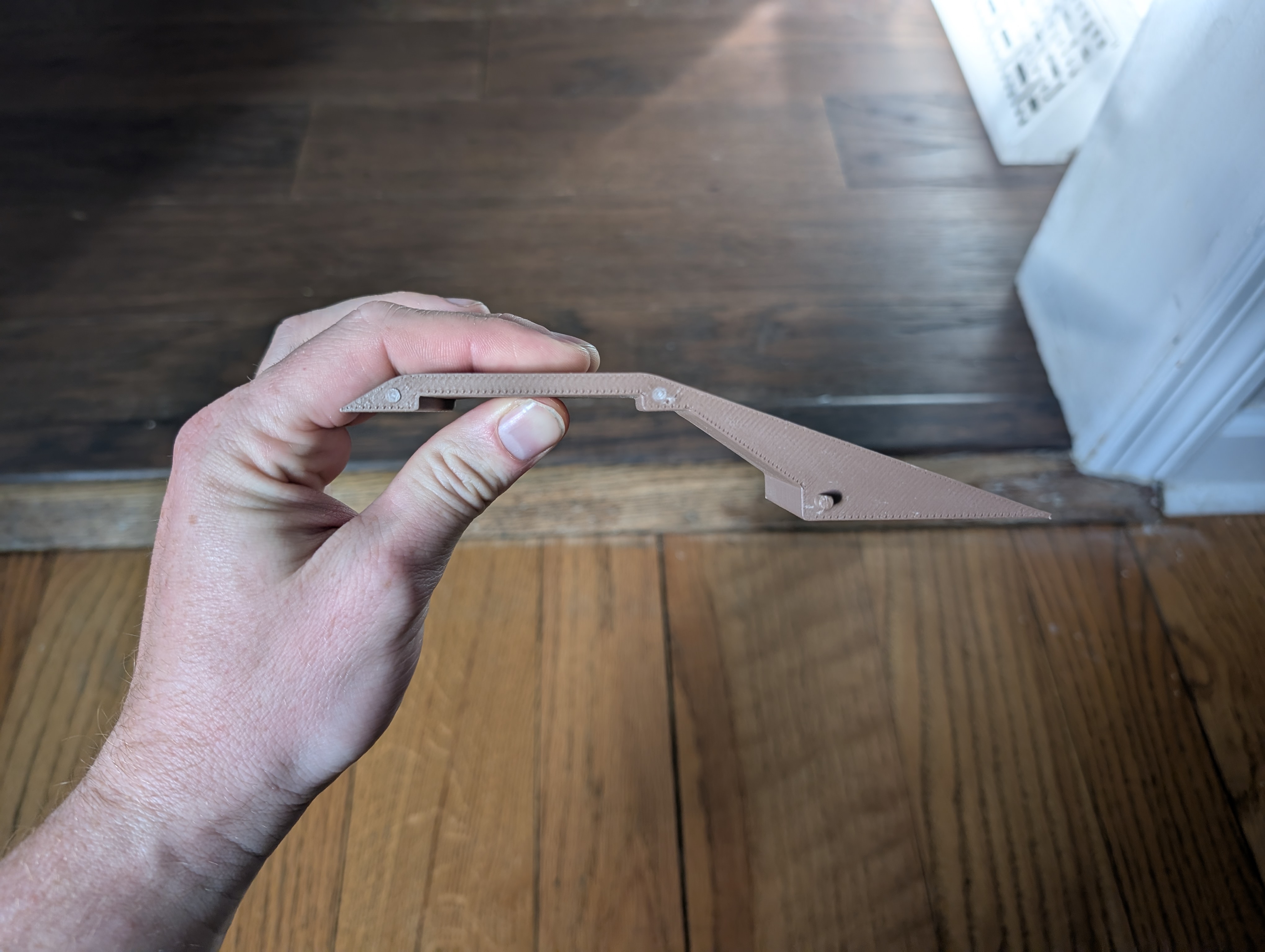 These ramps lasted for about a year until someone stepped on them just right and snapped a piece, as well as the fragile dowels. This cascaded until stepping on it at all would knock pieces out of place.
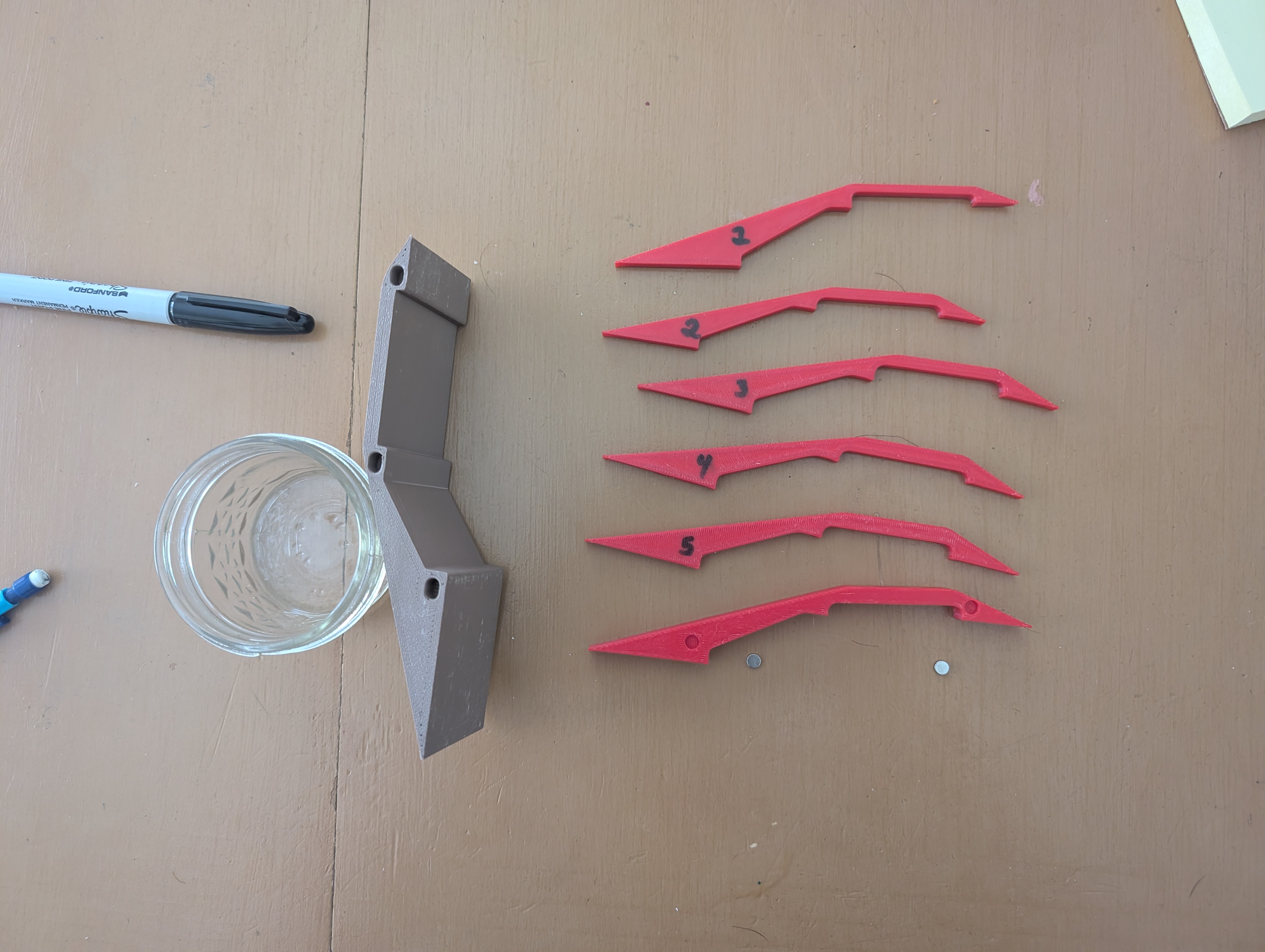
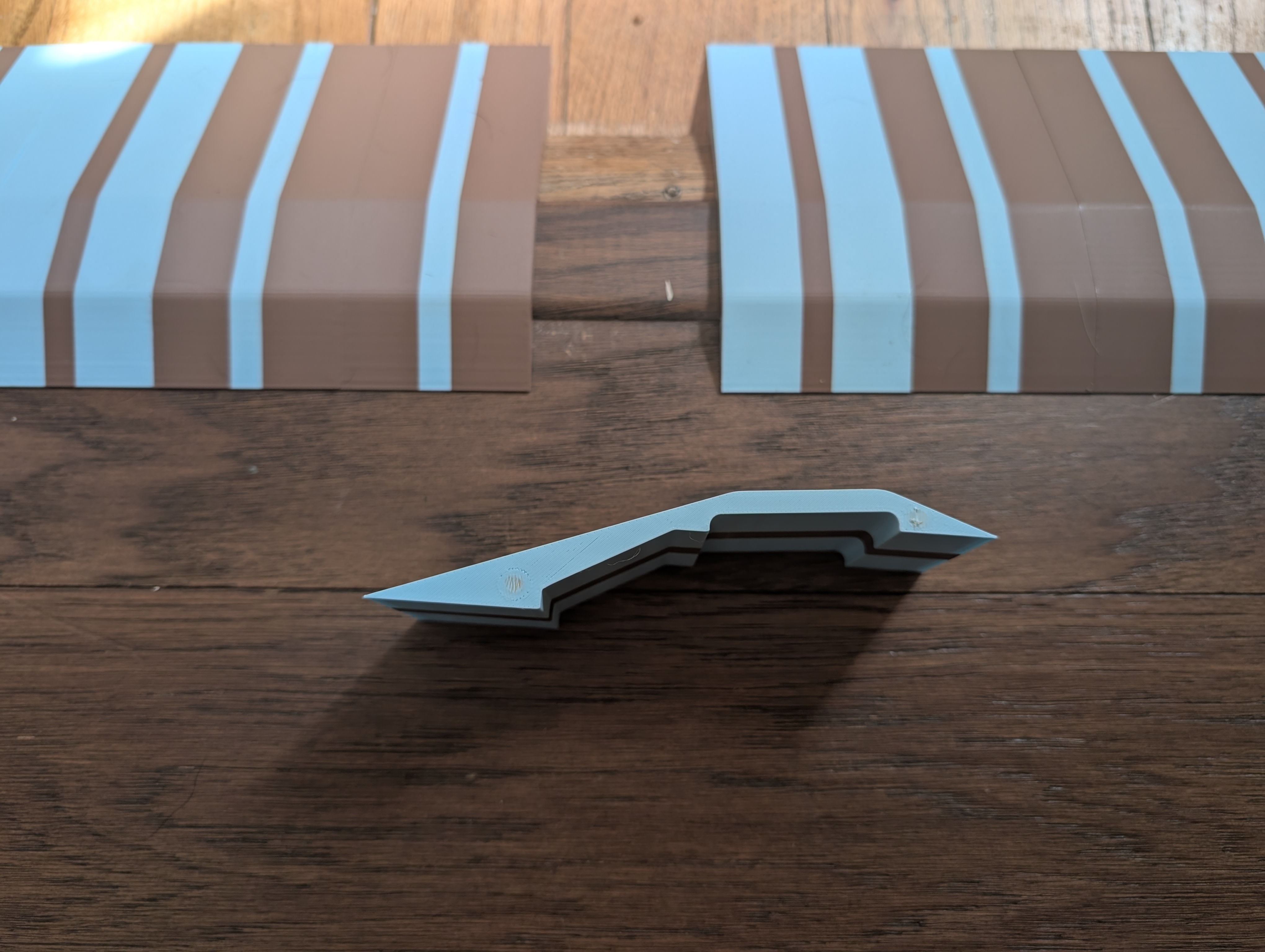

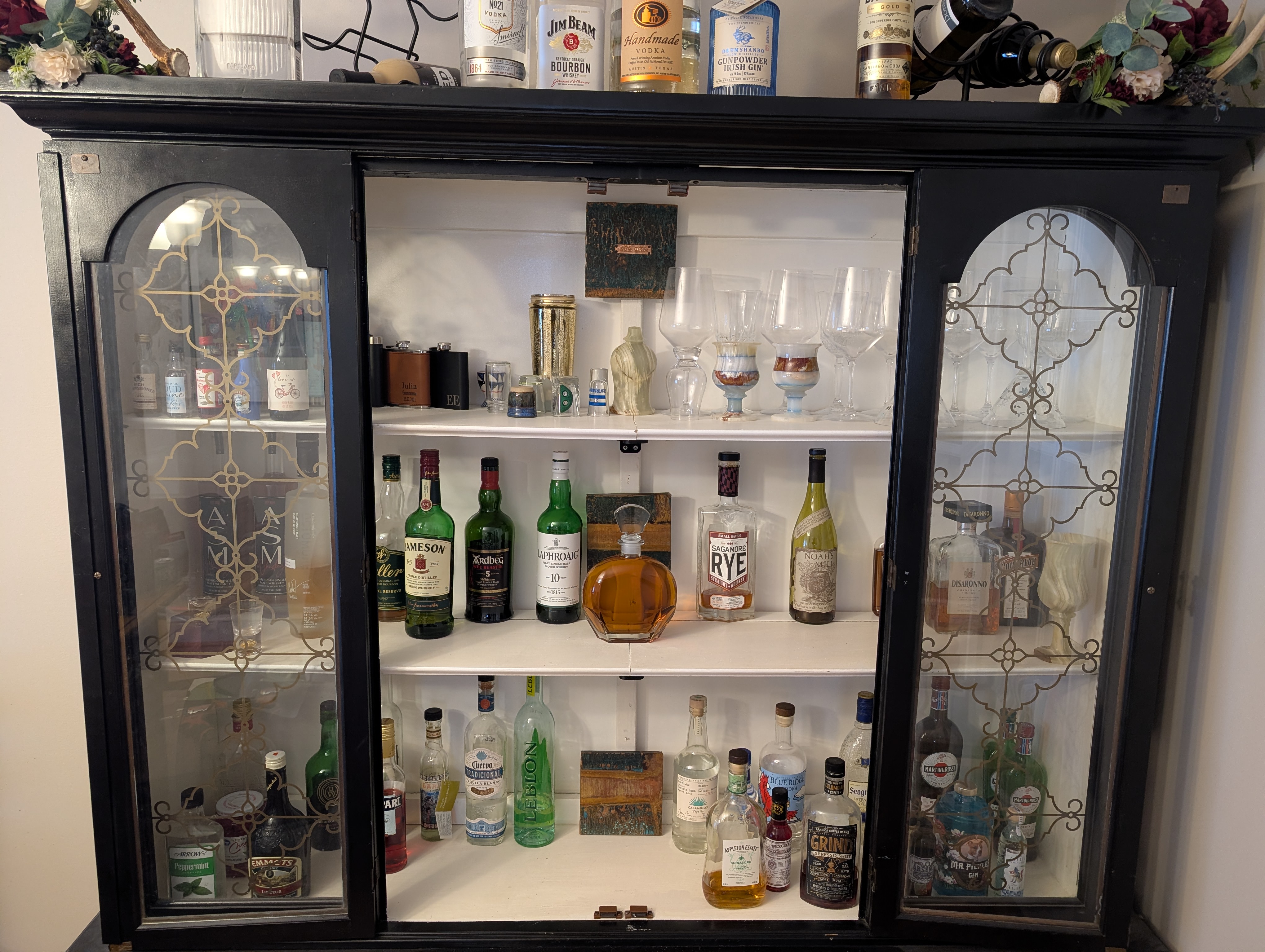

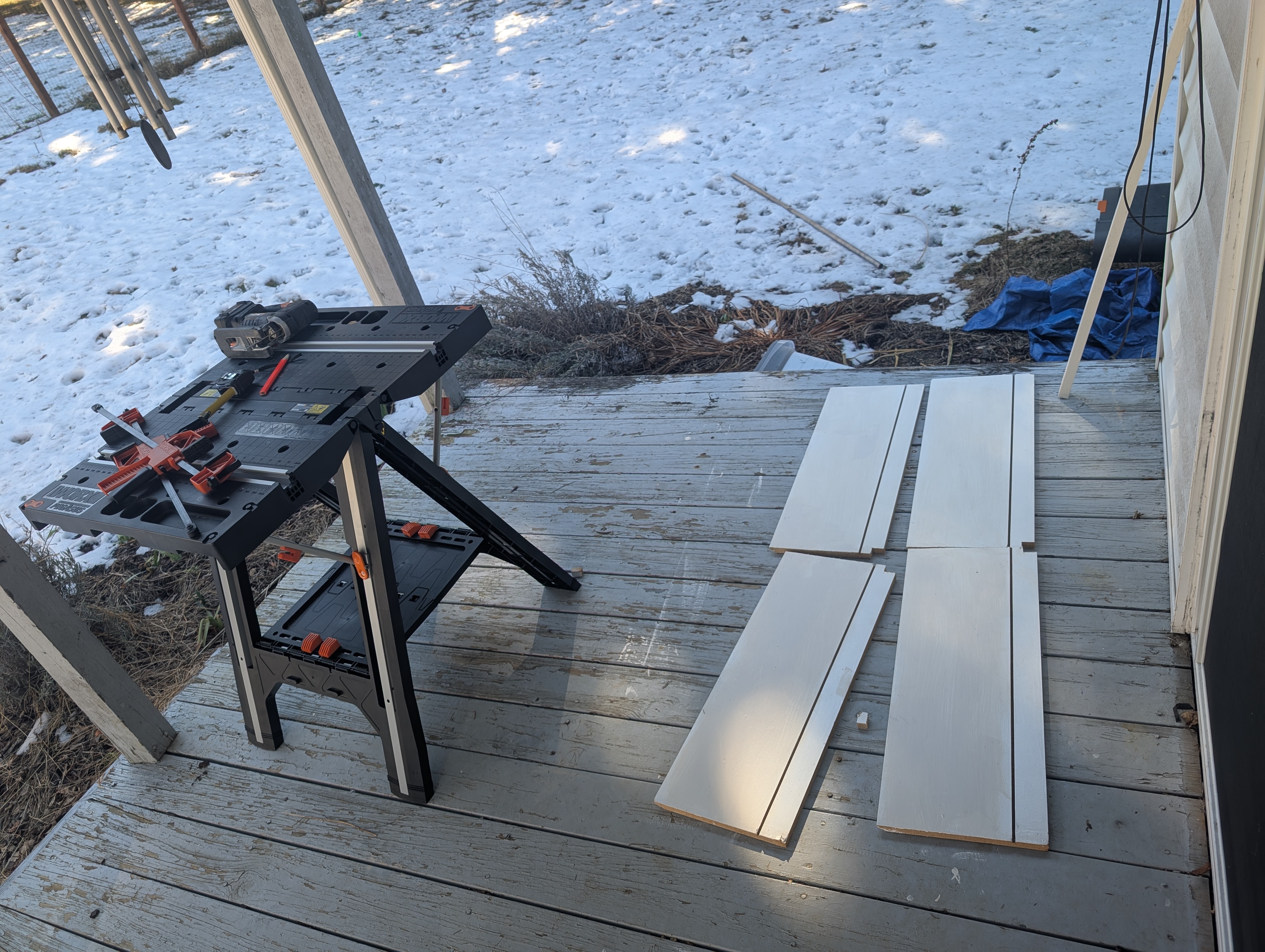
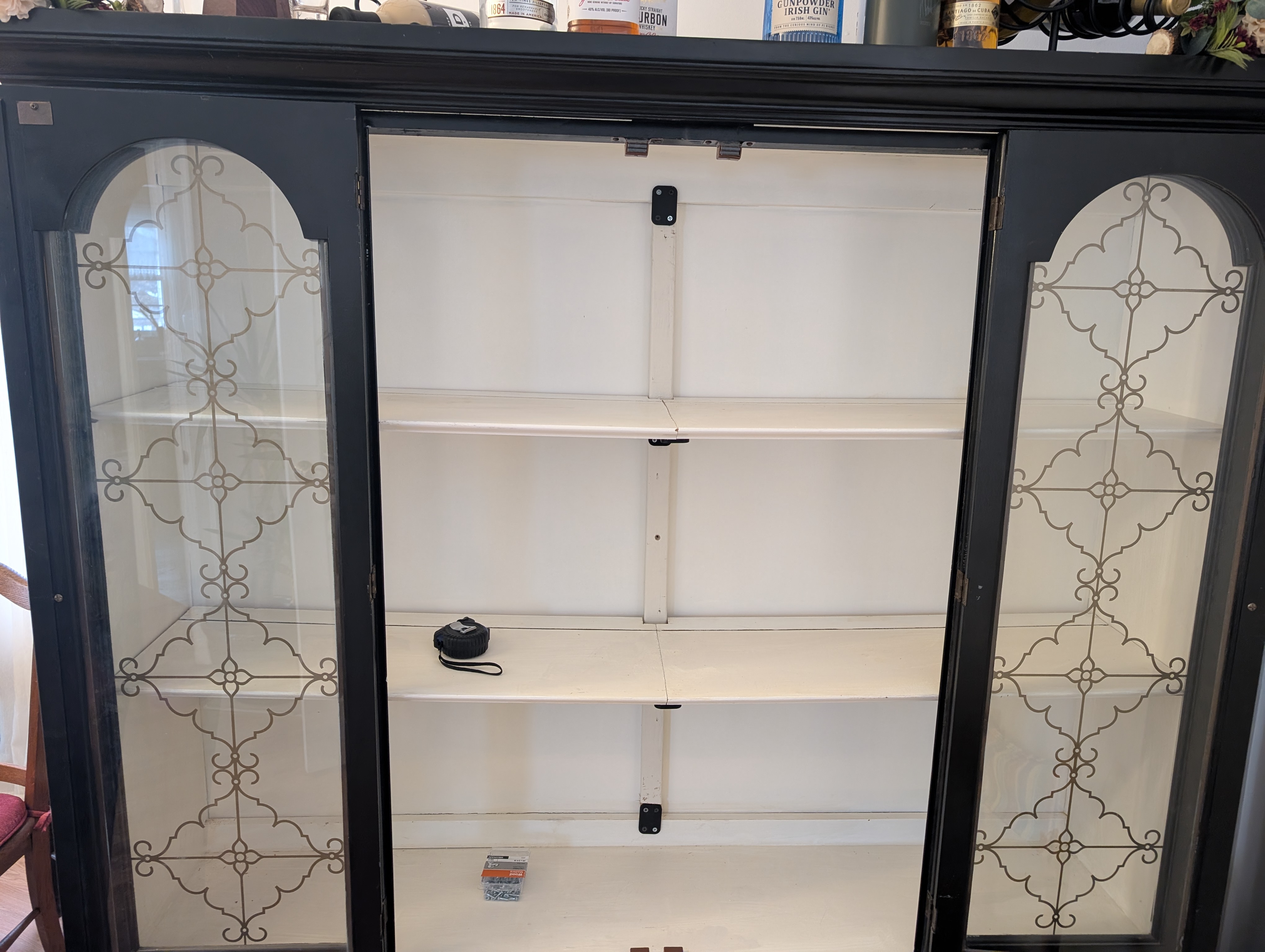
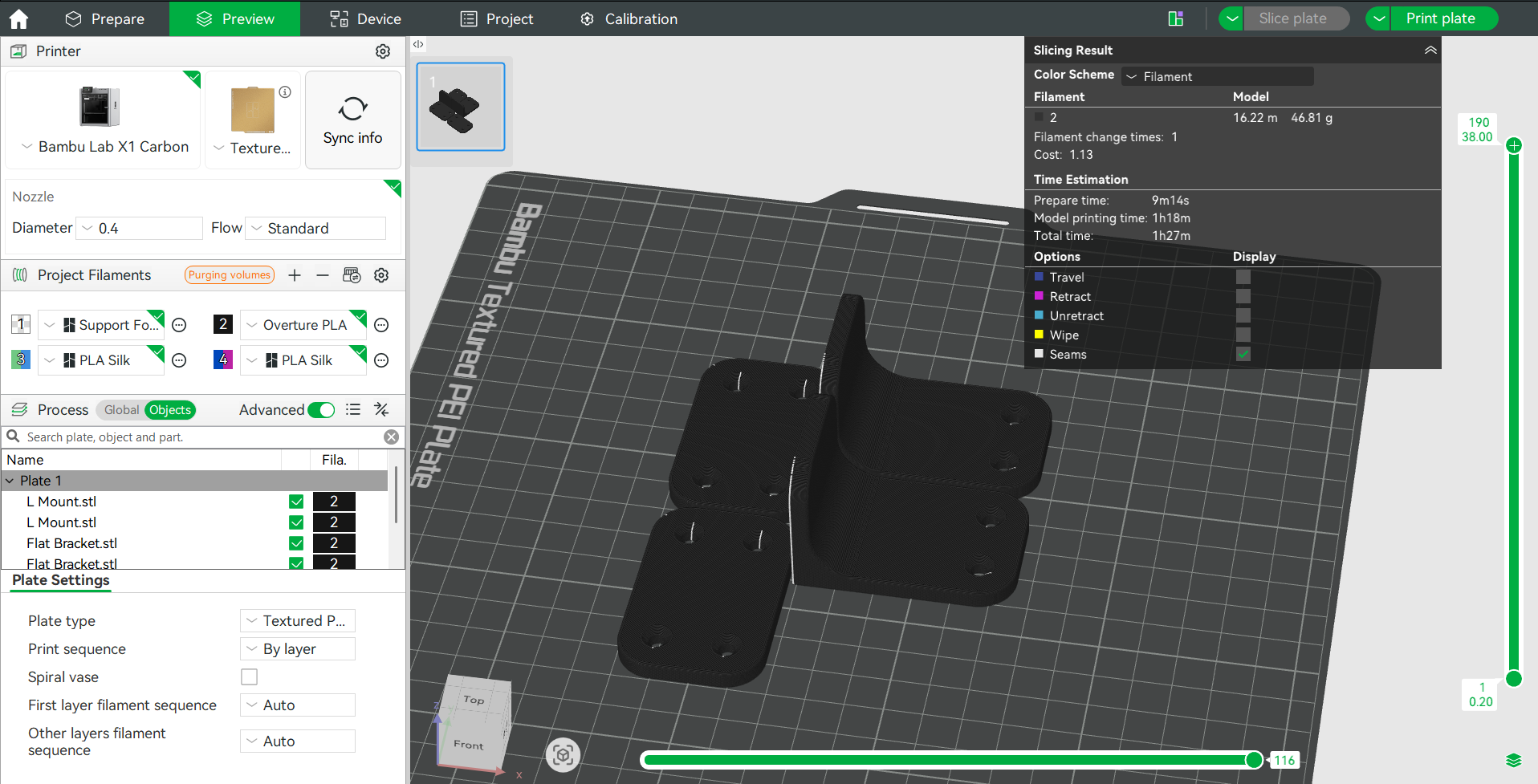 Designed and installed three different types of brackets to make the shelf sturdy.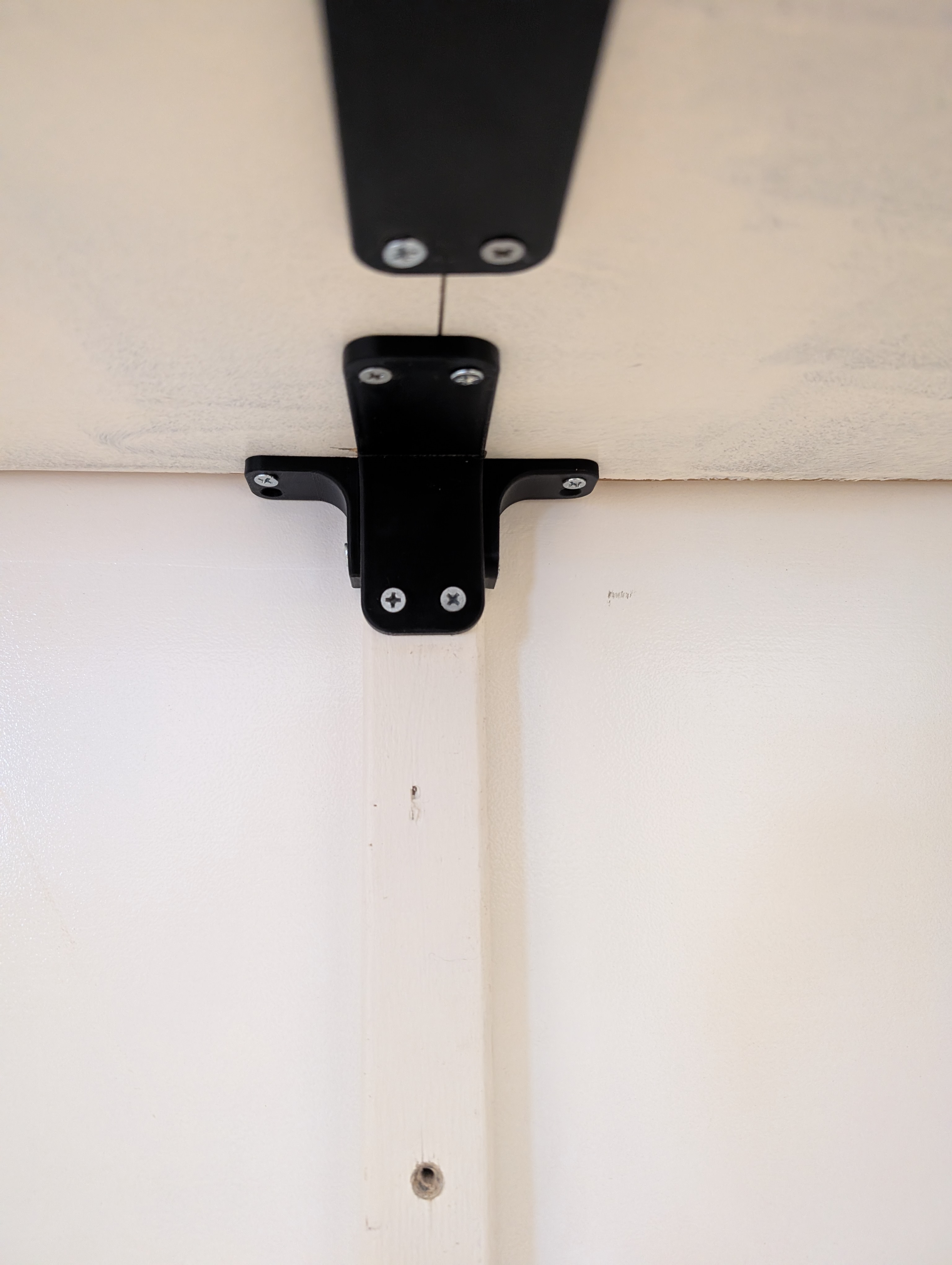



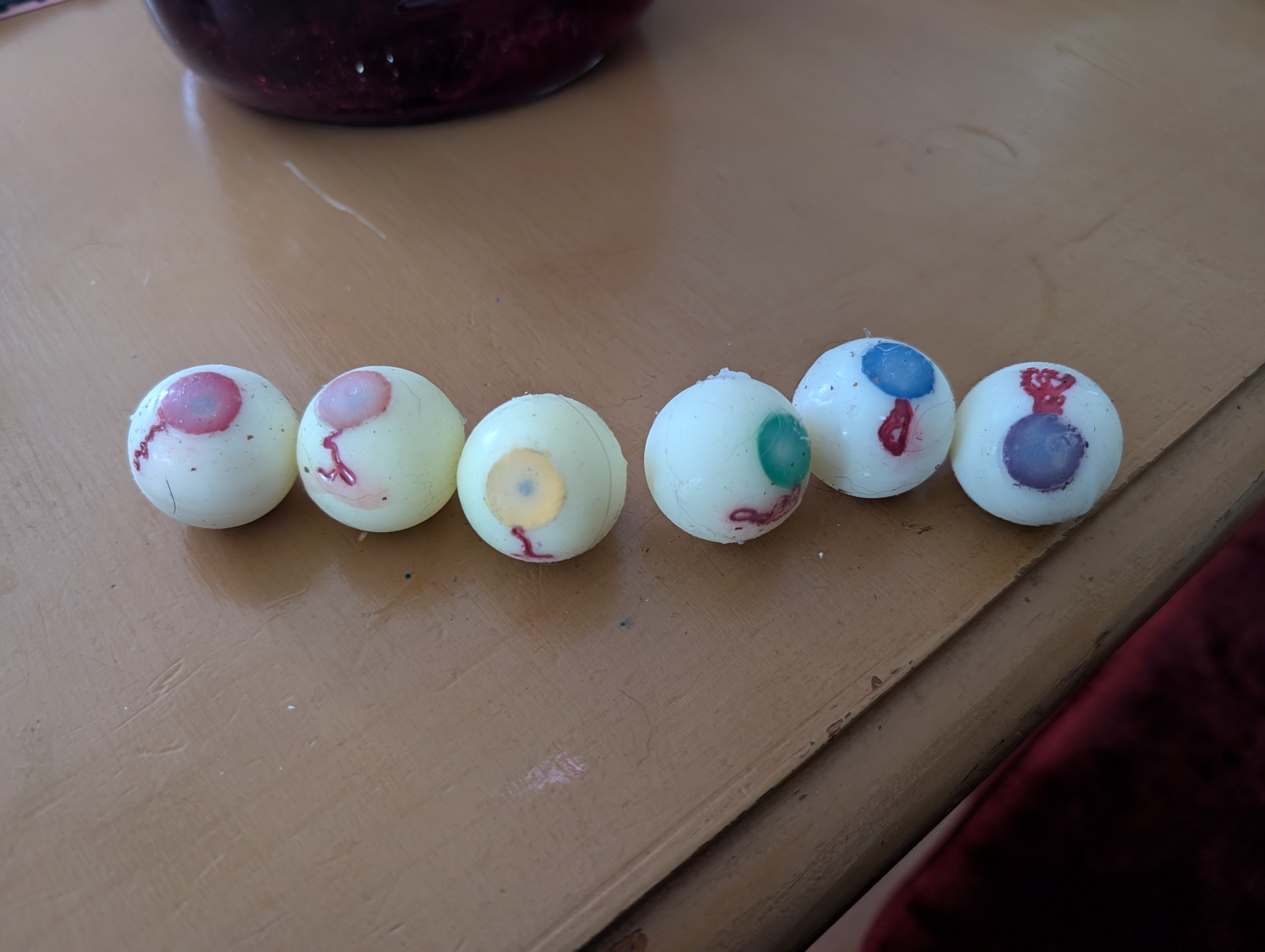
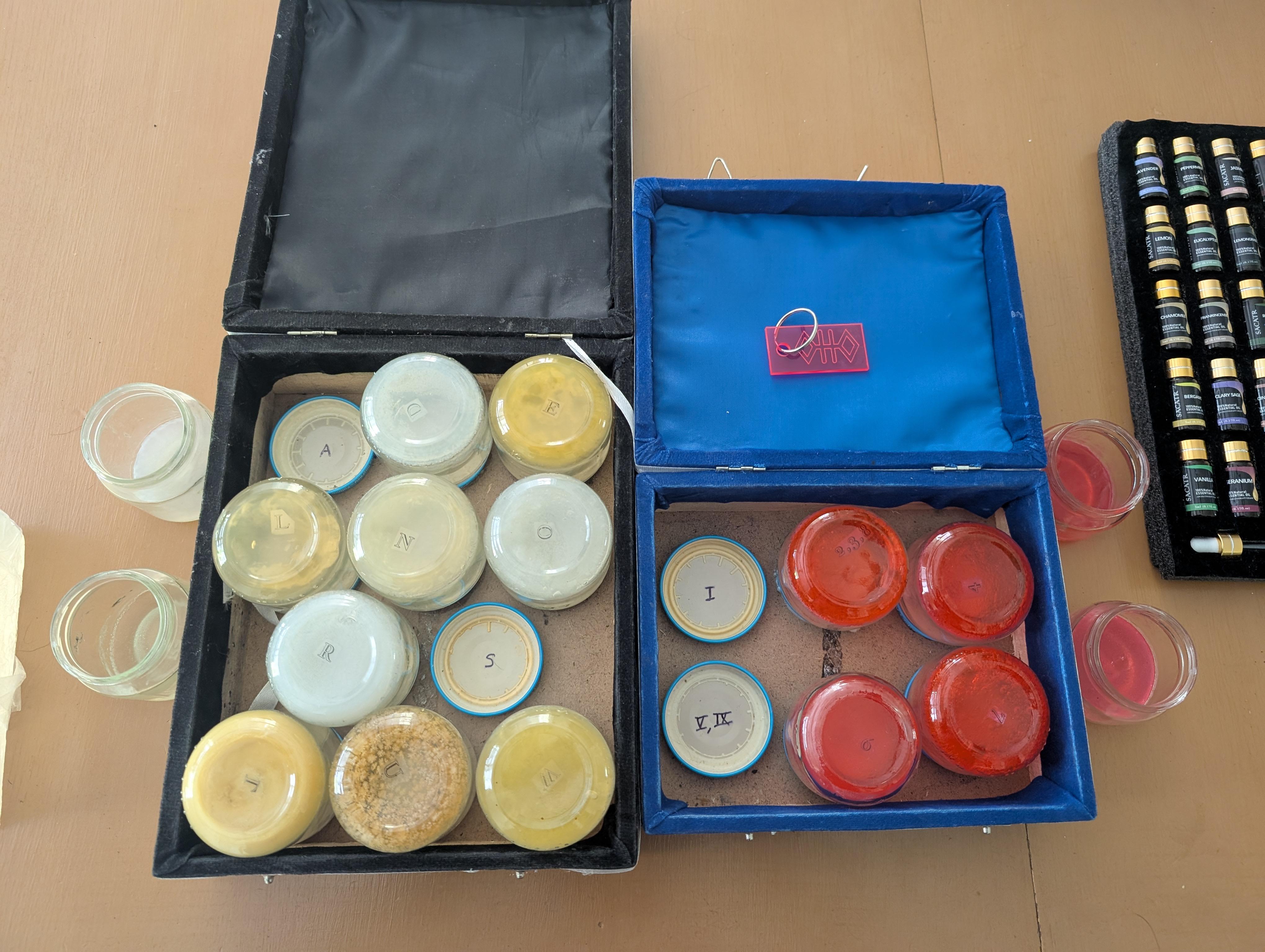
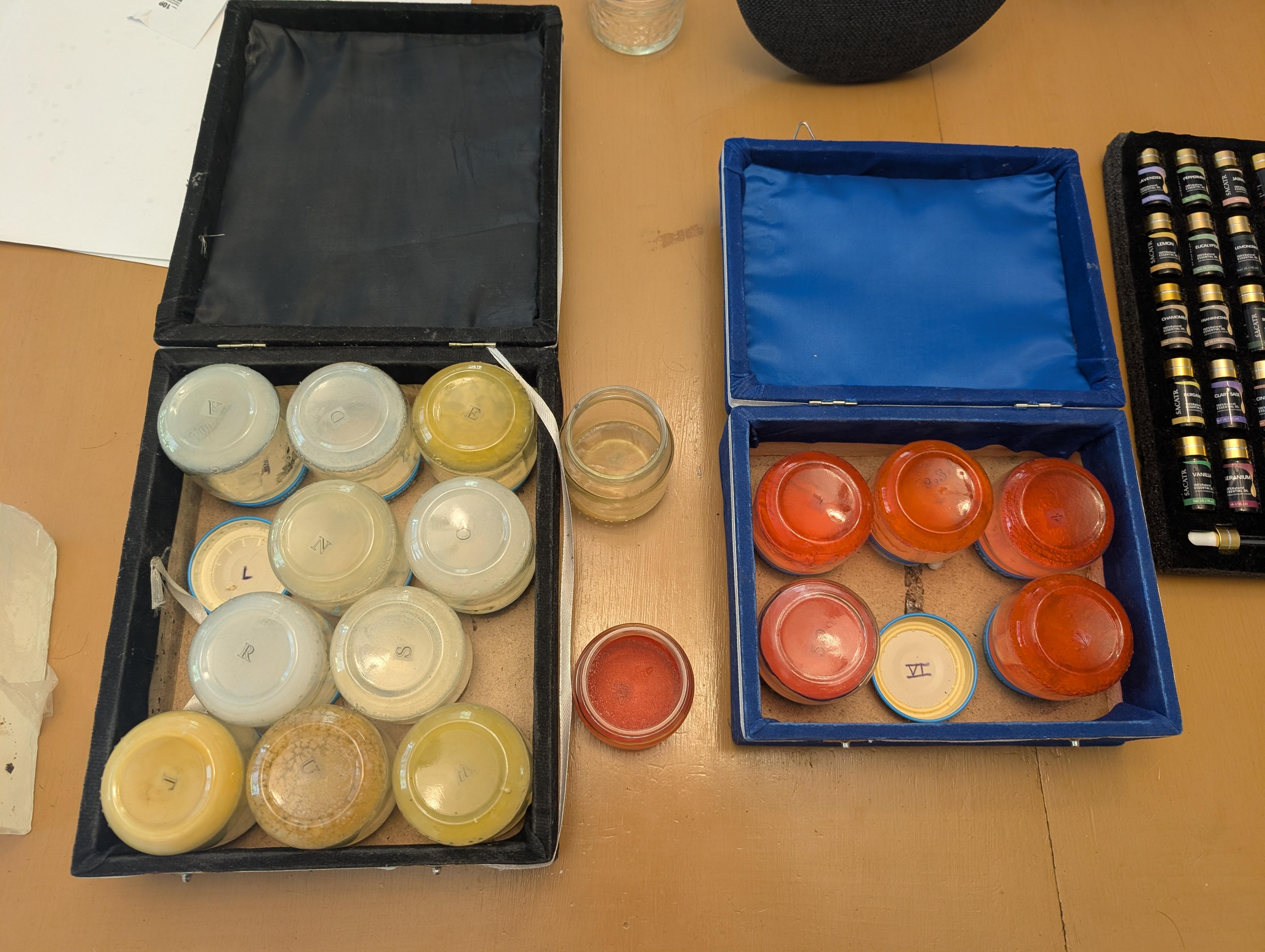
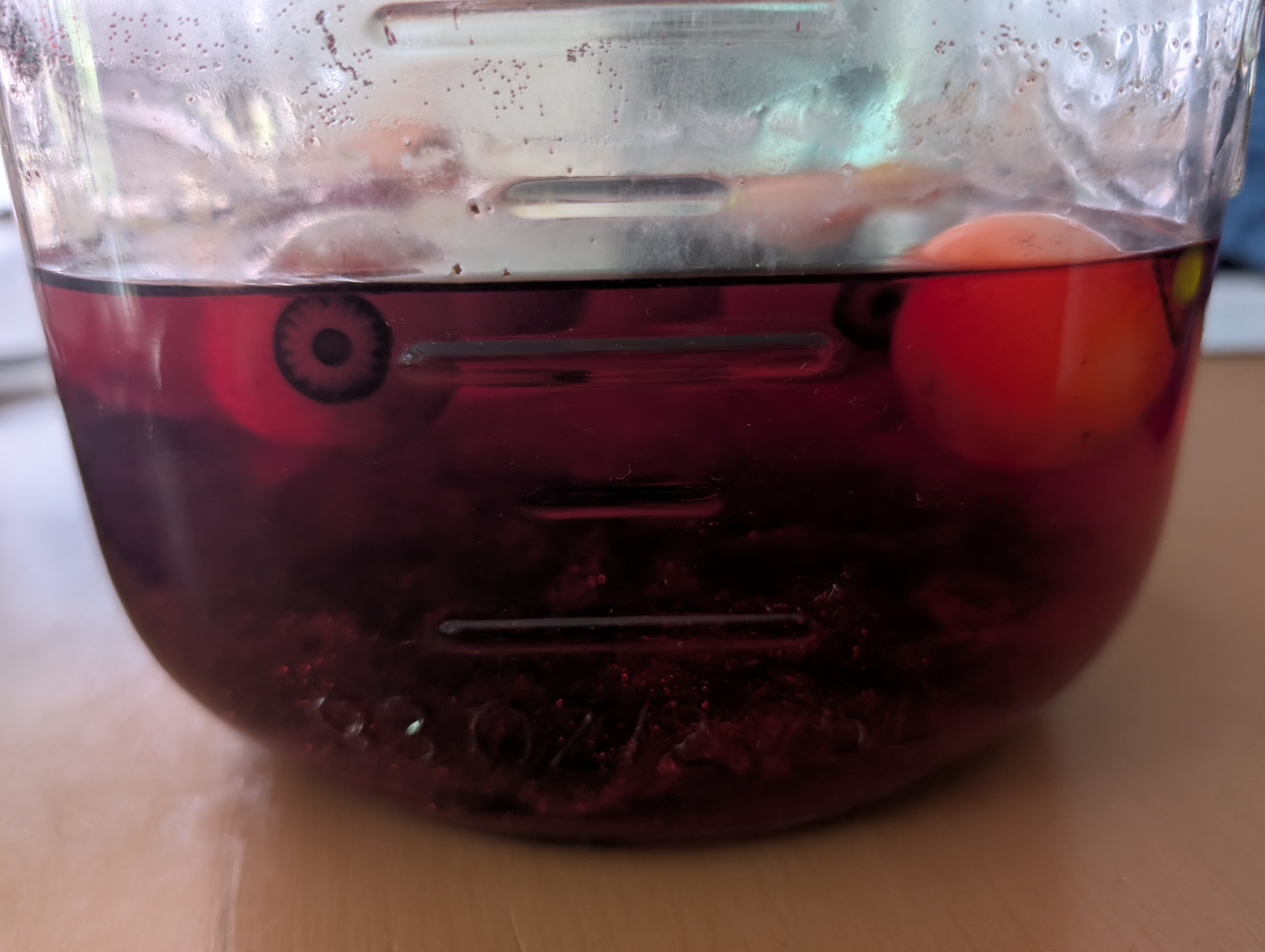 Plopped them in a jar of water colored red for the solvers to have to reach in and get for an added layer of disgust!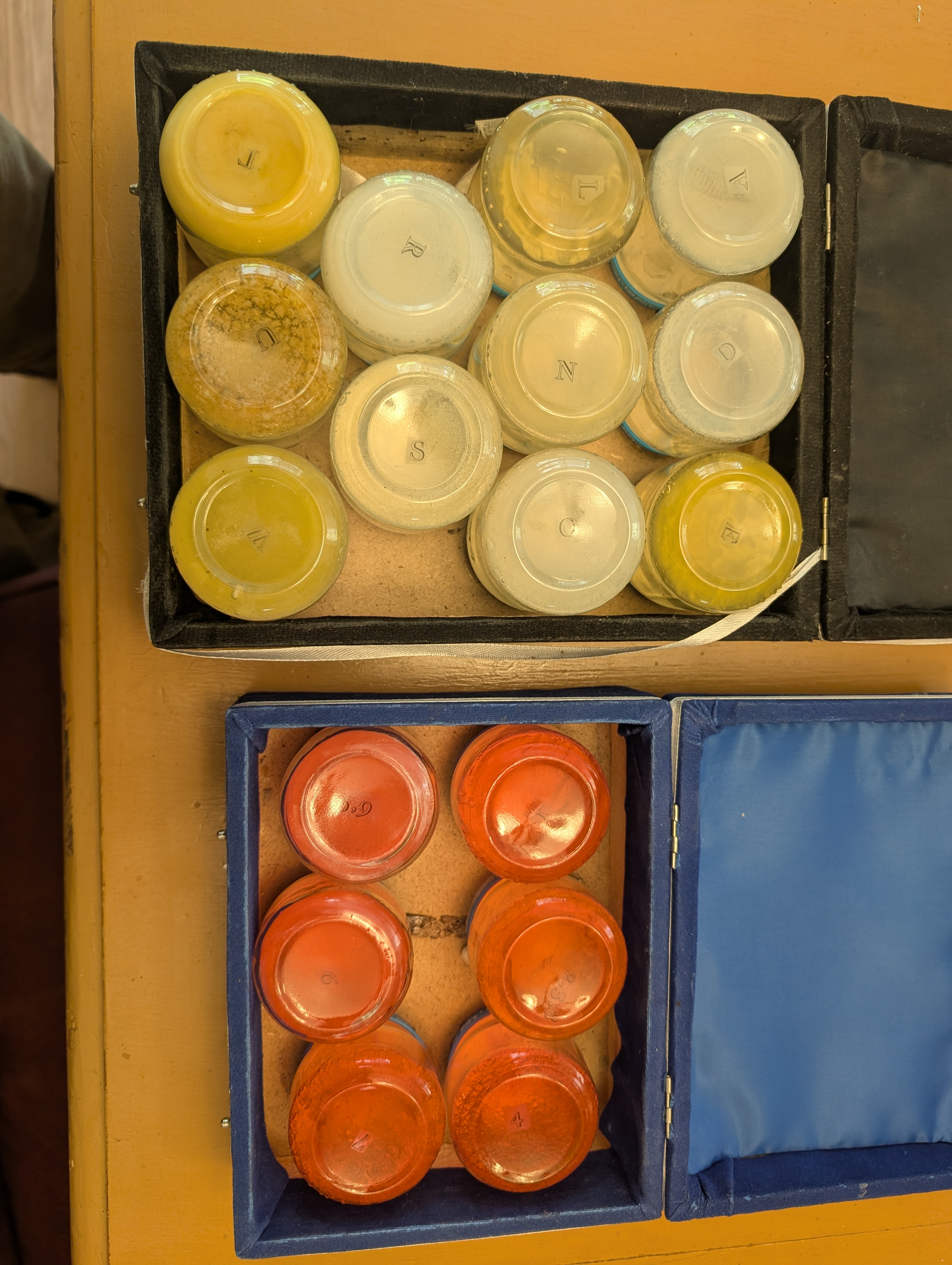
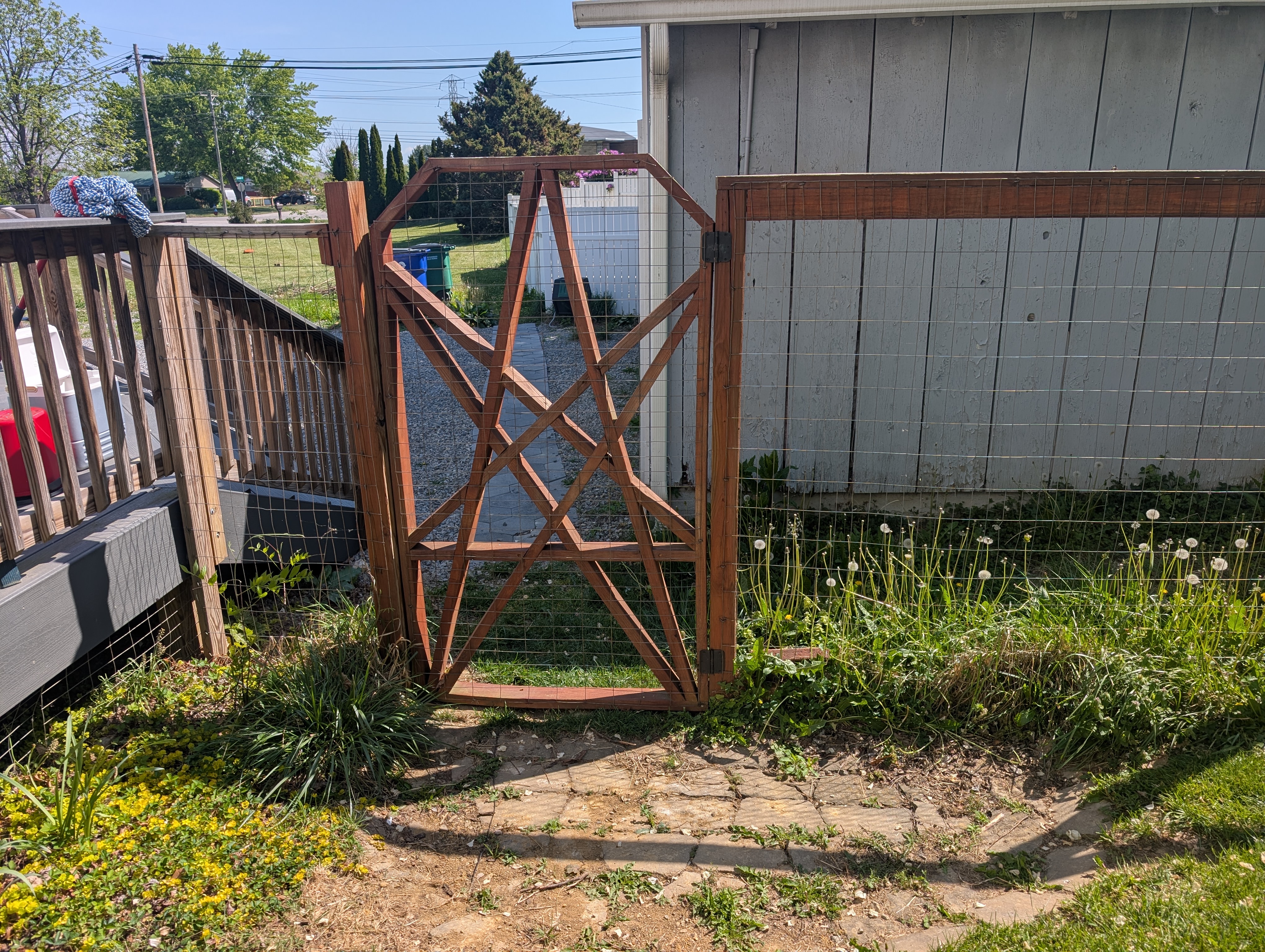

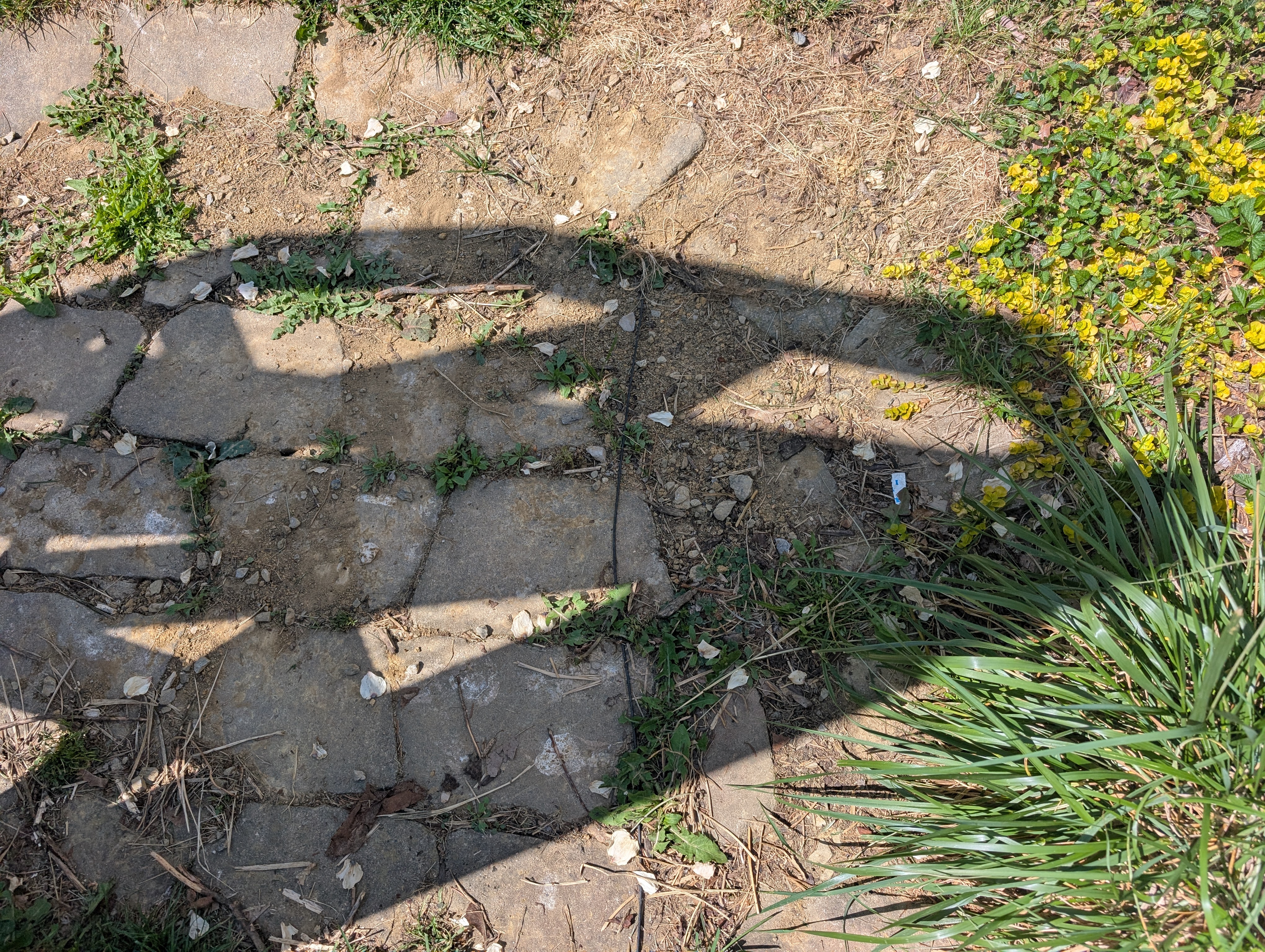 The robot follows this wire to each "zone" and mows according to a set schedule. Most of the time, the robot mows in a straight line until it senses the wire, and then it picks a new heading randomly and goes in that direction! It's not that smart of an algorithm but it hits all of the spots eventually and makes a great looking yard.
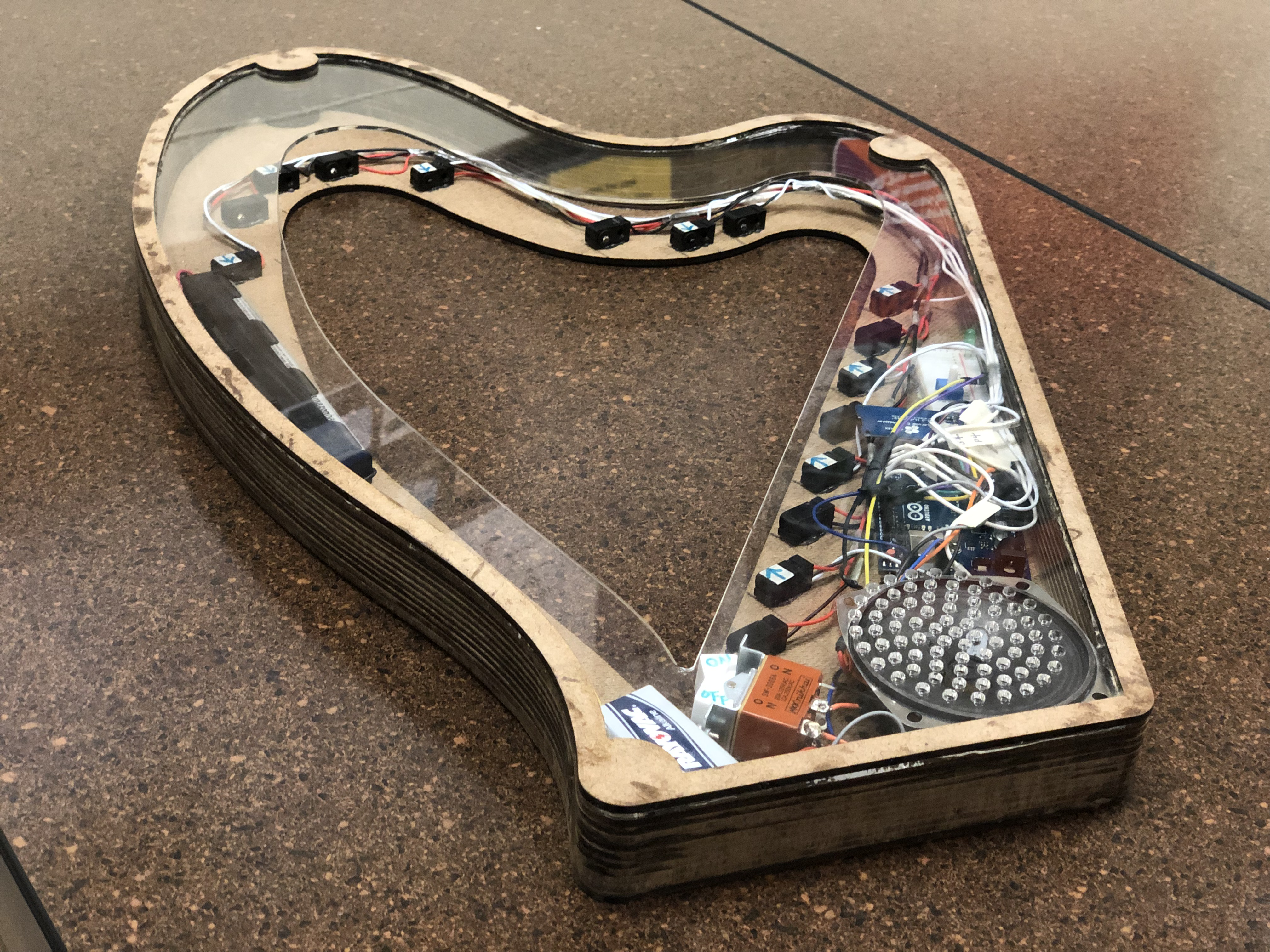

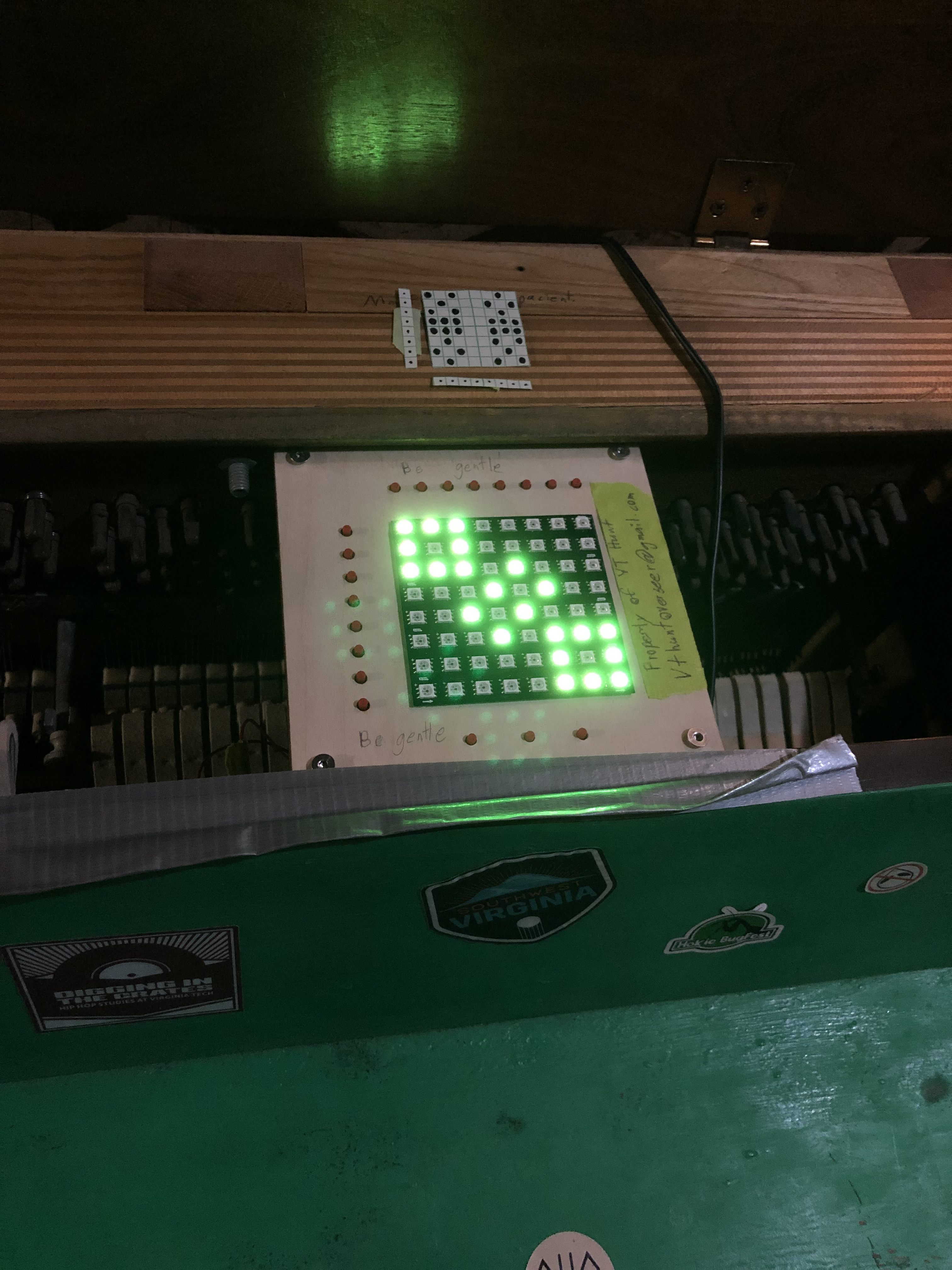
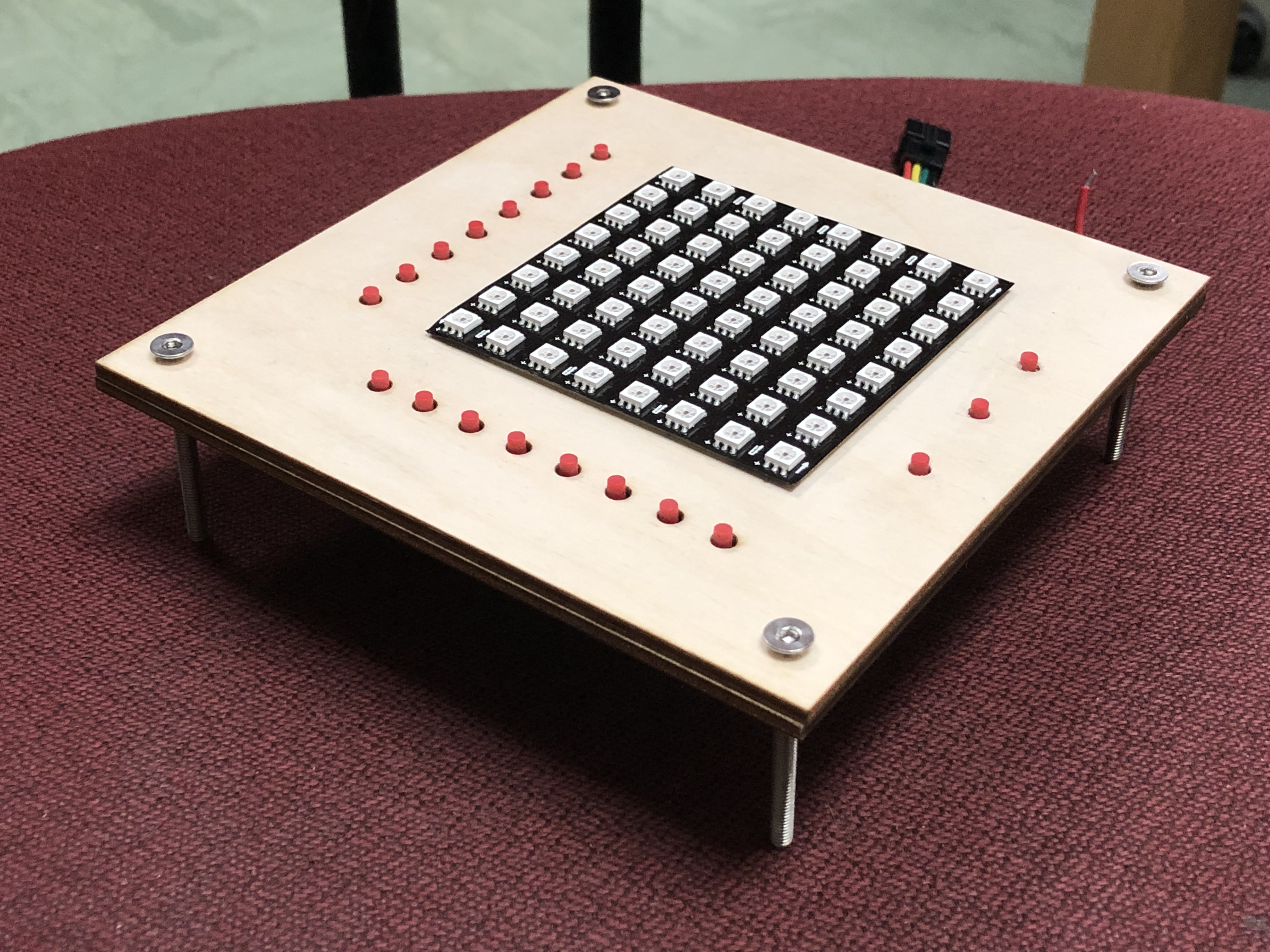 The user then needed to figure out how to make the specific shape given on the 8x8 LED display. No instructions were given, so the user was forced to play around and find out the functions. Three buttons at the bottom set different modes: toggle, on, and off. When a button by a row or column was pressed, that whole row or column would be set according to that rule!